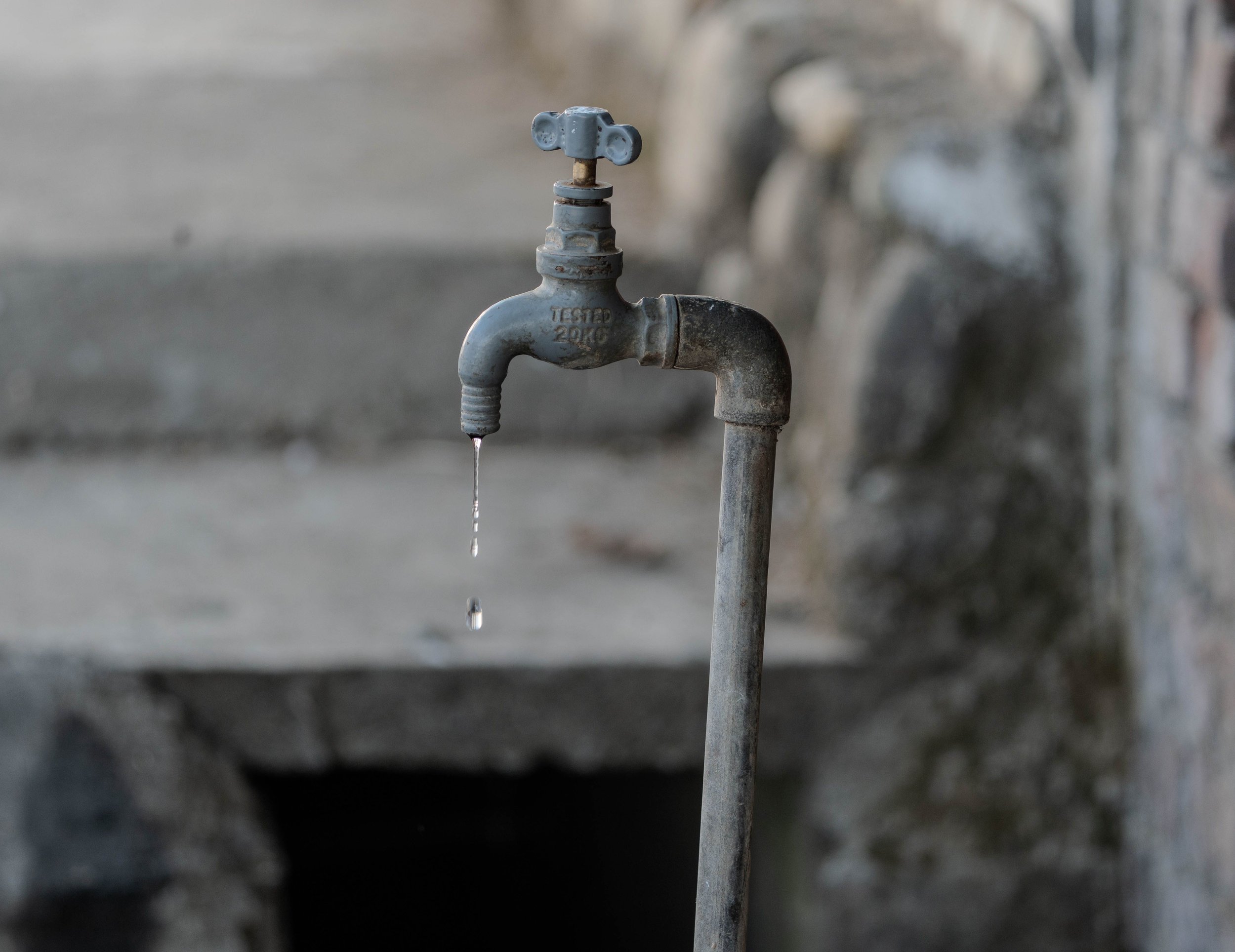
Image by Rejesh Balouria found on Prexels
An extended, multi-year drought coupled with delayed infrastructure decisions has pushed Corpus Christi, Texas, into a high-stakes water scarcity crisis. Although recent rainfall and stormwater runoff provided temporary relief by pushing back immediate "day zero" forecasts, the area's supply remains critically vulnerable—threatening residents, local commerce, major industrial facilities, and neighboring Coastal Bend municipalities alike.
Serving roughly 500,000 residents as well as heavily water-dependent refineries and petrochemical plants, Texas’ eighth-largest city operates a regional water network on the brink.
Investigative reporting from Inside Climate News and the Texas Newsroom highlights that Corpus Christi could become one of the first major American cities in modern history where municipal water demand outpaces available supply. Prior to recent precipitation, severe drought conditions had experts warning that the city’s primary reservoirs could be entirely depleted within a year.
Understanding the Thresholds: Drought, Reservoirs, and Emergency Protocols
To manage potential shortfalls, municipal officials have outlined aggressive conservation strategies, including a Level 1 Water Emergency that would require a 25% across-the-board usage reduction for residential, commercial, and industrial sectors.
The Trigger: A Level 1 Emergency is declared when city water reserves are estimated to be within 180 days of failing to meet daily demand.
Uncharted Territory: Reflecting the unprecedented nature of the drought, City Manager Peter Zanoni noted to the City Council, "We have no precedent to follow. There’s no manual, there’s no video."
Enforcement & Pushback: Proposed compliance mechanisms include financial surcharges, heavy fines, and potential service disconnections for chronic violators—though Mayor Paulette Guajardo has firmly opposed cutting off residential access.
Impacts on Local Industry and Daily Life
The uncertainty of potential mandates has created concern across the regional economy. Essential facilities such as medical centers, public schools, and major employers face operational hurdles. For example, a representative for H-E-B—which runs a large commercial bakery in the city—stated to Inside Climate News that the lack of specific guidance from city officials makes it difficult to assess how business operations might be disrupted.
The Broader Picture: Industrial Expansion vs. Climate Reality
Environmental researchers emphasize that the convergence of accelerating climate change, swift industrial expansion, and delayed resource management compounds regional drought hazards.
"What we’re seeing in Corpus Christi is really not an isolated crisis," noted Shannon Marquez, a professor at the Columbia Water Center, in an interview with Grist. "It’s very consistent with how things are going to unfold if we don’t start to plan."
Proactive Steps for Businesses and Public Institutions
While long-term infrastructure fixes remain unresolved, commercial facilities, educational institutions, and public venues can take immediate action to mitigate usage:
Retrofit High-Traffic Restrooms: Swap out outdated plumbing with low-flow faucets, high-efficiency toilets, and waterless urinals to instantly curb daily consumption.
Prioritize Large-Capacity Facilities: Focus efficiency upgrades on high-density environments first, such as manufacturing plants, office complexes, and school campuses.
Mitigate Financial and Operational Risk: Proactive water conservation lowers monthly utility overhead today while protecting organizations against future emergency surcharges or regulatory penalties if Stage 3 restrictions or Level 1 mandates take effect.
While late-season rains bought the region valuable time, Corpus Christi's underlying water supply challenge remains unresolved. Moving forward, monitoring reservoir capacity, conservation stage triggers, and regional policy decisions will be vital for anyone tracking the Coastal Bend water crisis.