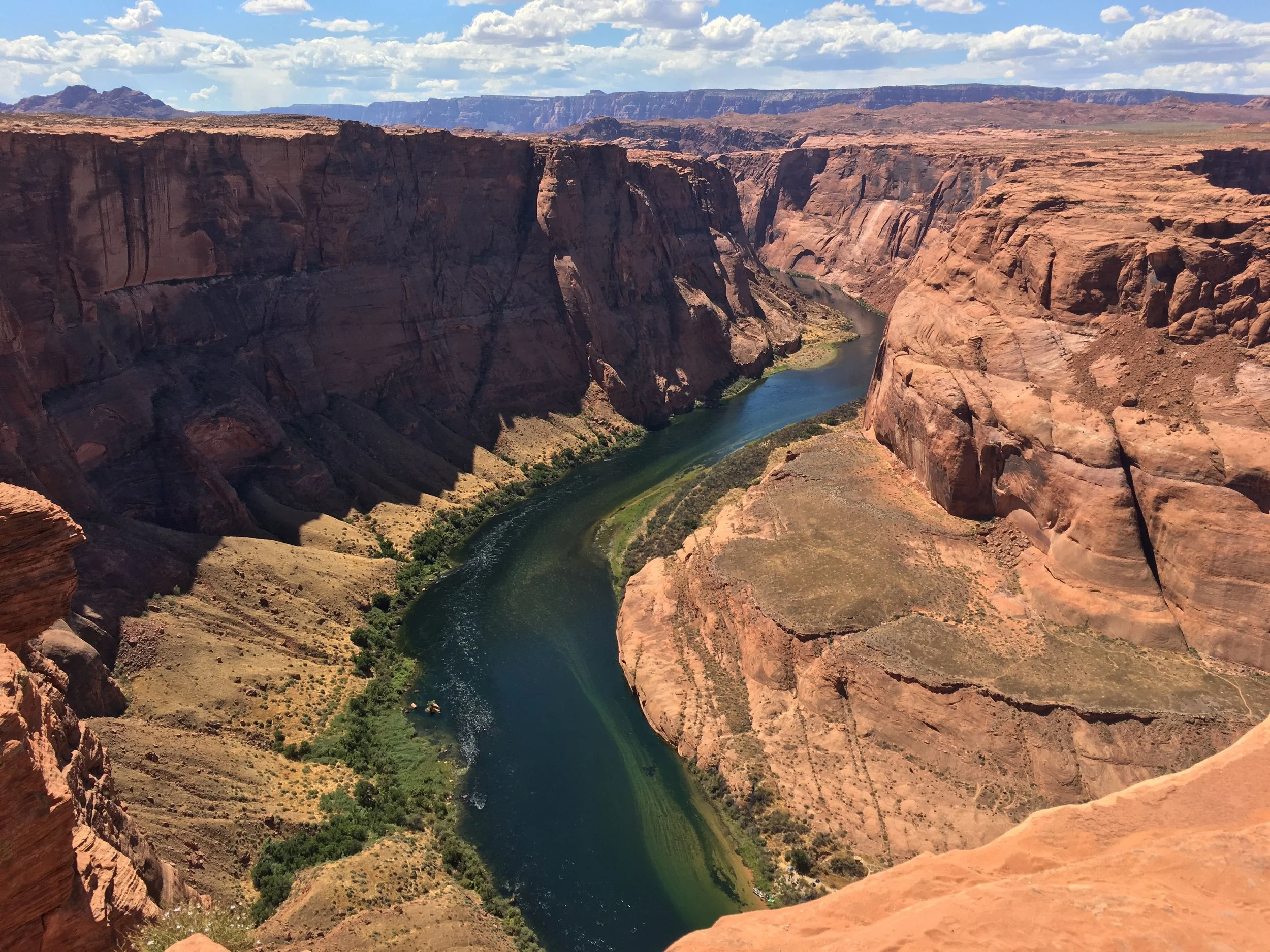
Image by A. Heuvelink found on Prexels
For decades, the Colorado River has been one of the most important water sources in the United States. It supplies drinking water to millions of people, irrigates some of the nation's most productive farmland, and helps generate electricity for communities across the Southwest.
Today, however, that system is under unprecedented stress.
Despite emergency efforts by federal water managers to stabilize the river's largest reservoirs, experts warn the Colorado River Basin remains dangerously close to a tipping point. If current trends continue, businesses could face higher water costs, stricter conservation requirements, reduced hydropower generation, and increasing operational uncertainty.
For facility managers, property owners, manufacturers, and commercial real estate professionals, the message is clear: water risk is becoming a business risk.
Why the Colorado River Matters
The Colorado River supplies water to approximately 40 million people across seven western states and portions of Mexico. It also supports agriculture, manufacturing, tourism, data centers, healthcare facilities, commercial buildings, and numerous industries that depend on reliable water and affordable electricity.
For many years, reservoirs such as Lake Powell and Lake Mead acted as giant savings accounts, storing water during wet years and releasing it during dry periods.
Today, those reserves are shrinking.
Years of prolonged drought, higher temperatures, and increasing demand have reduced the river's ability to replenish itself. Even with emergency releases and operational adjustments, water experts caution that the system remains vulnerable to another dry year.
Emergency Actions Buy Time—But Don't Solve the Problem
Federal officials have taken extraordinary measures to keep reservoir levels from falling even faster.
These actions include transferring water from upstream reservoirs into Lake Powell and adjusting downstream releases to preserve critical elevations. While these efforts may temporarily stabilize conditions, they do not address the long-term imbalance between available water supplies and regional demand.
Unless the basin experiences several unusually wet years—or significant reductions in water consumption—the underlying challenges remain.
The Growing Business Impact
For many organizations, the Colorado River crisis may seem like a regional issue. In reality, its effects can ripple throughout the economy.
Potential impacts include:
Rising municipal water rates as utilities invest in new infrastructure and conservation programs.
More aggressive water restrictions affecting commercial buildings, campuses, hotels, and industrial facilities.
Increased pressure to reduce water consumption as local governments adopt stricter efficiency standards.
Higher electricity costs if reduced hydropower generation requires greater reliance on more expensive energy sources.
Greater operational risk for businesses with water-intensive processes.
Organizations that depend on predictable utility costs may find budgeting increasingly difficult as water availability becomes less certain.
Facility Managers Will Be on the Front Lines
Facility managers are often responsible for balancing sustainability goals with operational performance and budget constraints. As water supplies tighten, that role becomes even more important.
Many organizations are already evaluating opportunities to reduce potable water consumption through practical efficiency improvements.
Examples include:
Installing water-efficient plumbing fixtures.
Detecting and repairing hidden leaks.
Upgrading cooling towers and irrigation systems.
Monitoring water consumption with smart metering technologies.
Reusing water where local regulations permit.
Replacing conventional urinals with waterless models in appropriate facilities.
Educating building occupants about responsible water use.
Many of these projects generate ongoing utility savings while improving environmental performance.
Hydropower Challenges Extend Beyond Water
Declining reservoir levels also affect electricity production.
Hydroelectric facilities at Lake Powell and Hoover Dam depend on sufficient water elevations to generate power efficiently. As reservoir levels decline, electricity output decreases, potentially increasing pressure on regional power grids.
Businesses may ultimately experience higher energy costs or greater exposure to supply disruptions during periods of peak demand.
This makes resource planning increasingly interconnected. Water management and energy management are no longer separate operational issues—they influence one another.
Conservation Is Becoming a Competitive Advantage
Organizations that proactively reduce water consumption and use water more efficiently often realize benefits beyond lower utility bills.
Water-efficient facilities may experience:
Lower operating expenses.
Improved resilience during drought restrictions.
Stronger environmental reporting.
Enhanced ESG performance.
Greater appeal to investors, tenants, employees, and customers.
Reduced exposure to future regulatory changes.
What was once viewed primarily as an environmental initiative is rapidly becoming part of sound business risk management.
Looking Ahead
Most water experts agree that balancing Colorado River water use with available supplies will require substantial reductions in consumption across the basin. While negotiations among the basin states continue, businesses should not wait for policy decisions before taking action.
The organizations best positioned for the future will be those that begin improving water efficiency today rather than reacting to tomorrow's restrictions.
The Colorado River has supported economic growth throughout the American West for generations. Ensuring it can continue to do so will require cooperation among governments, utilities, businesses, and building owners alike.
For facility managers, the lesson is straightforward: every gallon conserved today helps reduce operational risk tomorrow.