Image by Nithan PA, found on Preels
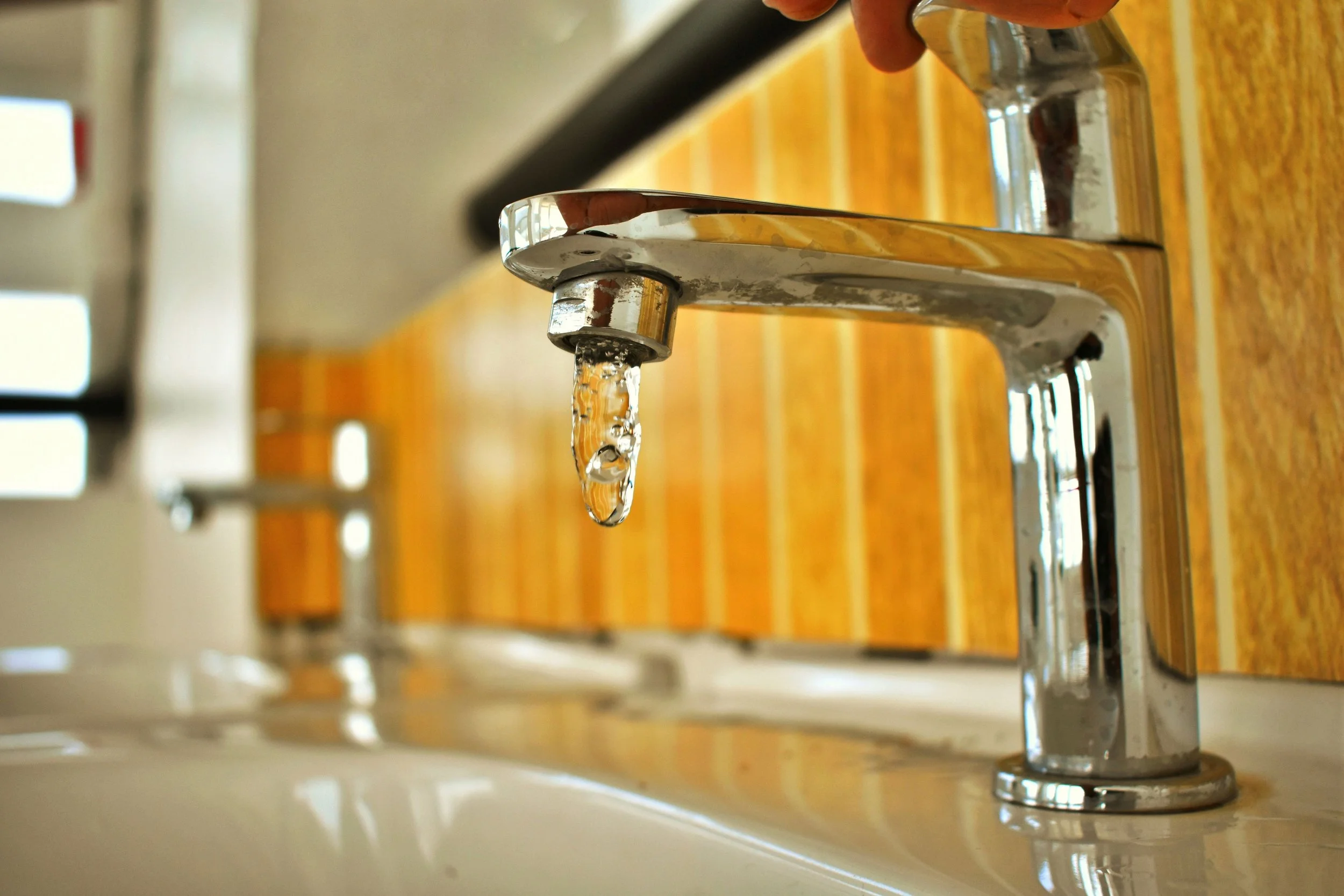
For facility managers, rising water costs have become a growing operational challenge. Across much of the United States, water and wastewater rates are increasing at a pace that often exceeds general inflation. Current estimates suggest annual increases typically range from 4% to 10%, depending on location, utility provider, and local infrastructure needs.
And those projections may prove conservative. As water-intensive industries—including artificial intelligence data centers, semiconductor manufacturing, and advanced computing facilities—expand across the country, additional pressure on local water supplies could drive rates even higher in some markets.
Why Are Water Rates Climbing?
For decades, water was one of the most affordable utilities in the United States. Many experts now believe that water services were priced below their true cost, leaving utilities with insufficient revenue to maintain systems and invest in future capacity. Today, utilities are working to close that gap while addressing a variety of other challenges.
The following factors are contributing to higher water rates nationwide:
1. Aging Water Infrastructure
Much of the nation's water infrastructure is decades old and requires extensive repairs, upgrades, or replacement. The U.S. Environmental Protection Agency estimates that hundreds of billions of dollars will be needed to modernize water systems over the coming decades. Utilities are increasingly recovering these costs through higher customer rates.
2. Reduced Federal Support
Historically, federal funding helped cover a significant portion of water infrastructure projects. Over time, more of these expenses have shifted to state and local governments, which often rely on utility rate increases to generate the necessary funding.
3. Changes in Municipal Funding Models
Many communities are restructuring how water systems are financed. Instead of supporting water operations through property taxes or general revenue funds, municipalities are moving more costs directly onto utility bills, resulting in higher charges for users.
4. Population Growth in Water-Stressed Regions
Some of the fastest-growing parts of the country, including many Sun Belt and Western states, also face the greatest water supply constraints. As demand rises in these areas, utilities must invest in additional infrastructure and supply sources, increasing overall costs.
5. Declining Availability of High-Quality Water Sources
Pollution, contamination concerns, and environmental degradation have reduced access to some traditional water sources. Utilities often must treat water more extensively or develop alternative supplies, both of which increase operating expenses.
6. Shifting Climate Conditions
Water professionals report that changing precipitation patterns and reduced snowpack in many regions are affecting long-term water availability. Lower snowmelt levels can reduce reservoir replenishment and create challenges for meeting agricultural, industrial, and municipal demand.
7. Basic Supply-and-Demand Economics
Like any resource, water becomes more expensive when demand grows faster than available supply. In regions experiencing drought, population growth, or competing water needs, upward pressure on rates is almost inevitable.
The Choices Facing Facility Managers
As water costs continue to rise, building owners and facility managers have three options:
1. Absorb the increases
2. Pass them through to tenants and occupants. (With office vacancies as high as 40 percent, this likely is not a good option for many managers).
3. Reduce water consumption through conservation strategies and high-efficiency technologies.
The third approach is the more sustainable long-term solution. By implementing water-saving measures such as low-flow fixtures, smart irrigation systems, and waterless restroom technologies, facilities can offset rising utility costs while supporting sustainability goals.
Water Efficiency Is Becoming a Business Necessity
Whether viewed from a financial, operational, or environmental perspective, reducing water consumption is becoming increasingly important. Waterless urinals, for example, can eliminate thousands of gallons of annual water use per fixture while helping facilities control operating expenses.
As water rates continue their upward trajectory, investments in water efficiency are likely to deliver greater returns than ever before.
Klaus Reichardt, founder and CEO of Waterless Co. LLC in Vista, California, is a recognized authority on water efficiency. Since 1991, he has led the company to innovate plumbing products like the Waterless No-Flush urinal, which operates entirely without water.
To contract Klaus, click here