Should You Add a "Use By" Date to Your Restrooms?

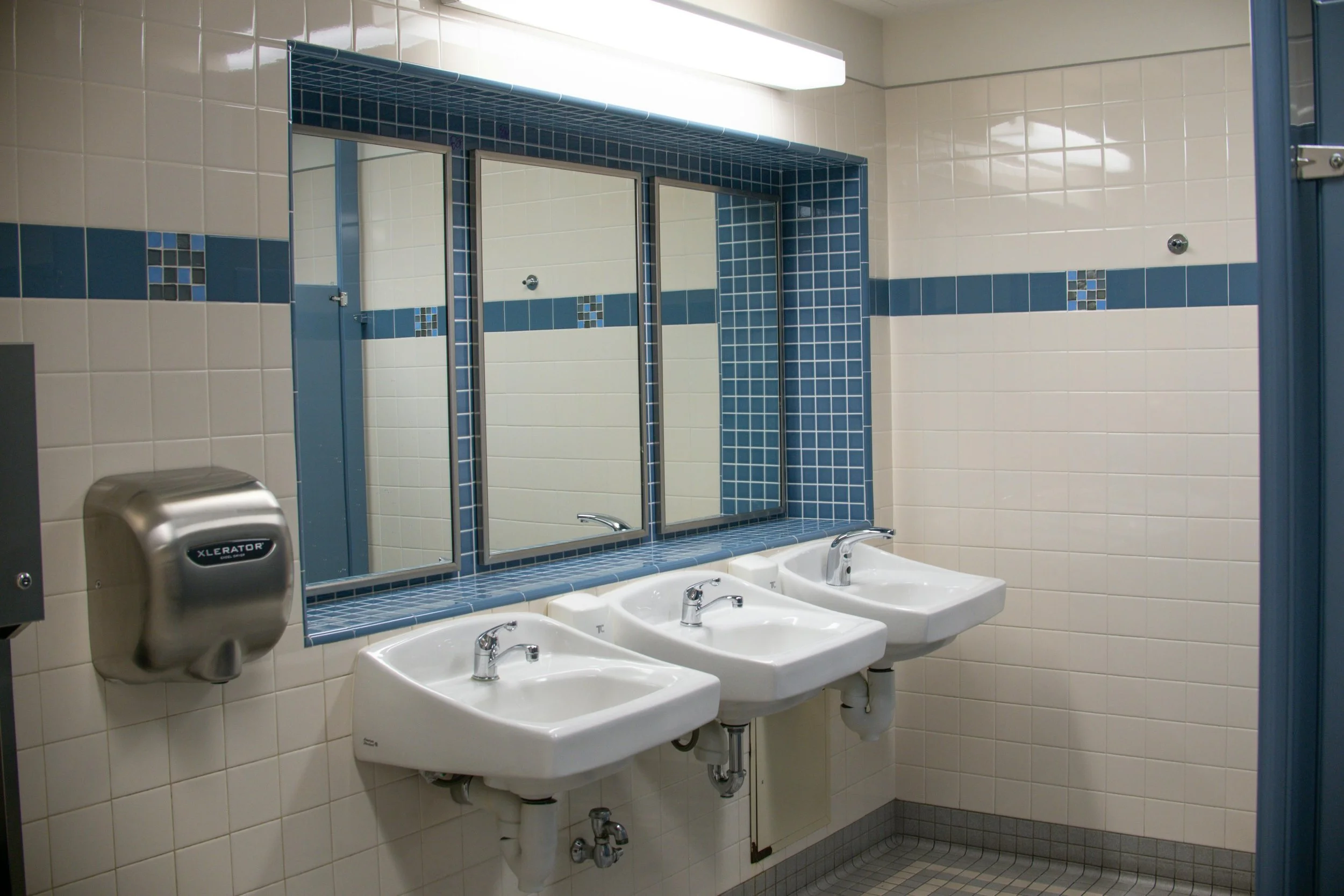
Image by Zante found on Prexels

Just as food products carry "Best Before" labels, commercial and school restrooms deserve their own expiration dates. Like any building component, restrooms have a definitive service life—and knowing when yours has expired could save you money, tenants, and compliance headaches.

The 20-Year Rule: When Restrooms Outlive Their Purpose

Most restroom components—sinks, counters, toilets, urinals, and tiled surfaces—have a functional lifespan of roughly 20 years. The problem isn't that they stop working. It's that they stop working well for the people using them.

Here are six signs your restroom has hit its "use by" date:

1. Shifting User Demographics Building occupancy changes over time. Oversized restrooms feel inefficient when populations shrink; undersized ones create bottlenecks in denser facilities. Neither serves your tenants well.

2. Outdated Building Codes Older restrooms routinely fail current ADA accessibility requirements. What passed inspection 20 years ago may expose you to compliance liability today.

3. Aesthetic Obsolescence Dated tile, worn fixtures, and fluorescent lighting signal neglect to tenants and visitors. First impressions matter—and restrooms are part of yours.

4. Hygiene Deficiencies Aging surfaces and hard-to-clean crevices harbor persistent bacteria that routine cleaning can't fully address. Modern materials and fixture designs significantly reduce this risk.

5. Changing User Expectations Today's building occupants expect touchless, minimalist experiences. If your restroom requires users to touch multiple surfaces, it's already behind the times.

6. Evolving Design Standards Contemporary designers treat restrooms as comfort and respite spaces, not just functional necessities. In competitive commercial real estate, that distinction matters.

Restroom Renovation Checklist: What to Prioritize

When the "use by" date arrives, a strategic renovation should address these essentials:

ADA Compliance Verify that your renovated restroom meets current Americans with Disabilities Act requirements—not the standards from your last build-out.

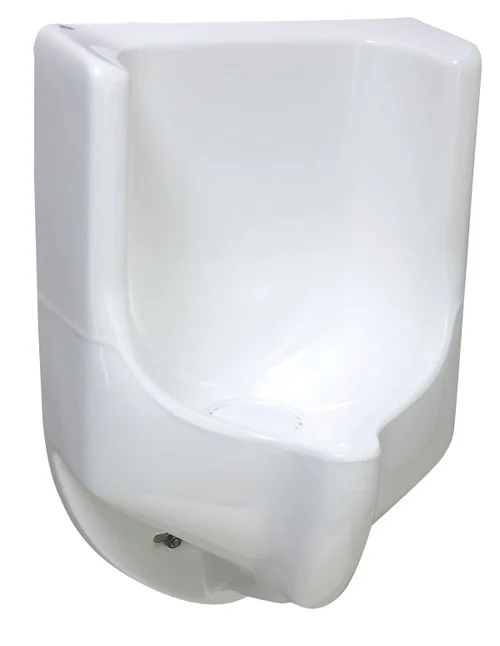
Water Efficiency Install high-efficiency toilets that exceed minimum legal requirements and waterless urinals to maximize water savings and reduce long-term operating costs.

Plumbing Infrastructure Add isolation valves so that targeted repairs don't require facility-wide water shutoffs—a small upgrade that prevents major disruptions.

Touchless Technology Retrofit flush valves, faucets, soap dispensers, and paper towel dispensers with touchless controls. This is now a baseline expectation, not a premium feature.

Lighting Replace institutional fluorescent lighting with warmer, more inviting systems. Lighting quality dramatically affects how a restroom feels—and how it reflects on your property.

LEED Certification If your building is pursuing LEED certification, consult a LEED professional before renovation begins. In many cases, installing high-efficiency toilets and waterless urinals is sufficient to satisfy restroom-related LEED requirements.

The Bottom Line

Don't let your restroom outlive its usefulness. In a very competitive commercial real estate market, an outdated restroom signals neglect—to current tenants and prospective ones alike. A timely renovation protects tenant satisfaction, ensures code compliance, and positions your property as a modern, well-managed asset. Think of it less as a maintenance expense and more as a retention and leasing strategy.
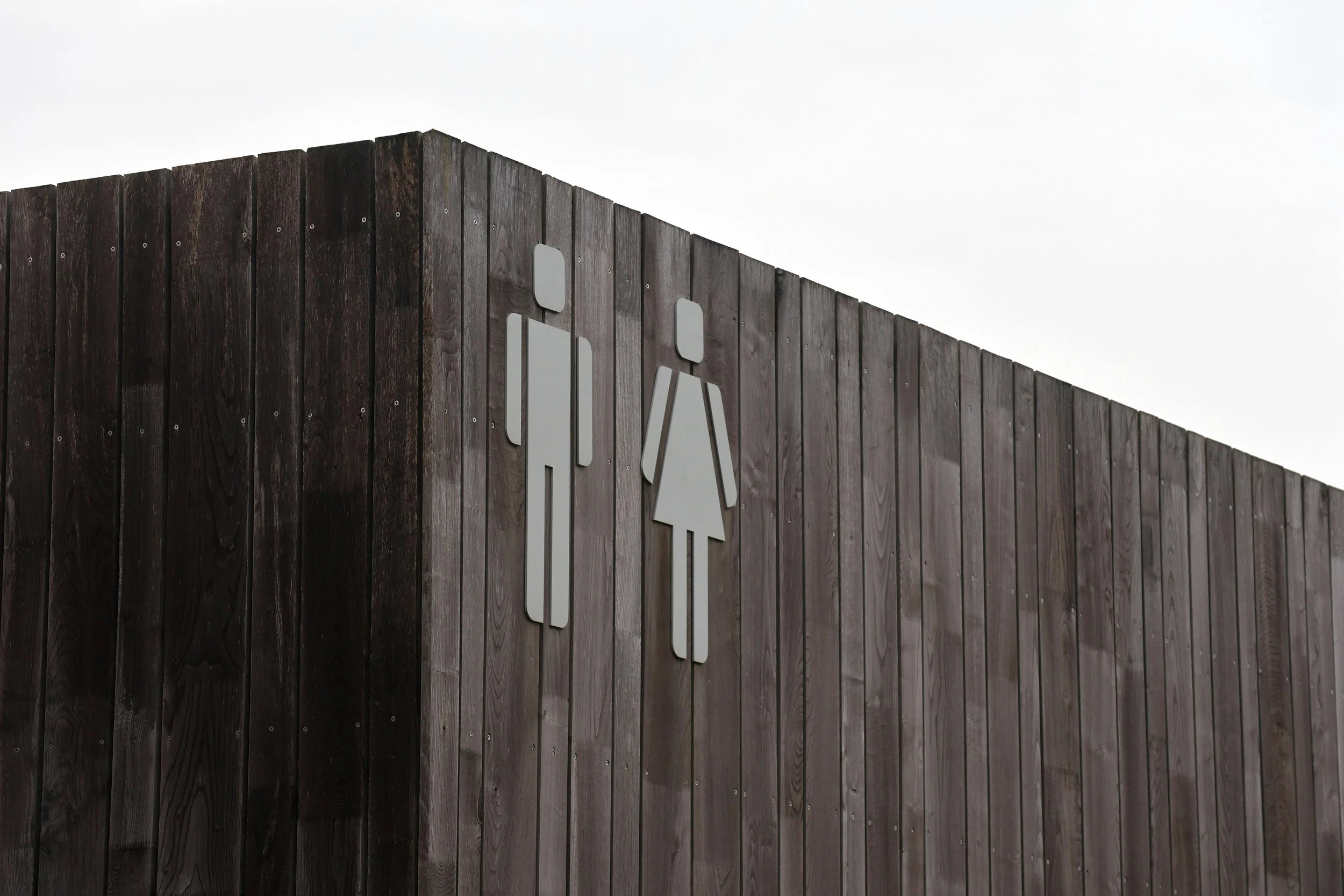

Position your Facility Competitively with Strategic Restroom Upgrades

  • Modern Fixtures: Invest in touchless, sensor-operated faucets, toilets, and dispensers. These upgrades not only improve hygiene but also impart a sleek, contemporary aesthetic that appeals to discerning tenants.

  • Water Efficiency: Restrooms are among the largest consumers of water in commercial buildings. Installing high-efficiency toilets (using 1.28 gallons per flush or less) and waterless urinals can dramatically reduce water usage and lower operating costs.

  • Monitoring Systems: Implement technology that tracks paper and water usage, alerting staff when supplies are low. This ensures restrooms remain consistently stocked and well-maintained, minimizing disruptions.

  • Aesthetics: Select durable, attractive materials for countertops, flooring, and walls. Replace harsh fluorescent lighting with stylish fixtures, and incorporate artwork or plants to create a welcoming, comfortable atmosphere.

  • Accessibility and Inclusivity: Ensure your restrooms comply with the latest ADA requirements. Features such as grab bars, lower sinks, and wider stalls make your facility accessible and welcoming to all occupants and visitors.

  • Sustainability Signage: Demonstrate your commitment to sustainability by displaying signage that explains eco-friendly choices—such as low-flow toilets, waterless urinals, and environmentally responsible cleaning products. Transparency in these efforts is valued by tenants and visitors alike.

 The Future Doesn't Flush – Clean and Hygienic Waterless No-Flush™ Urinals

2026 Drought Outlook: Key Insights for Facility Managers and Building Pros

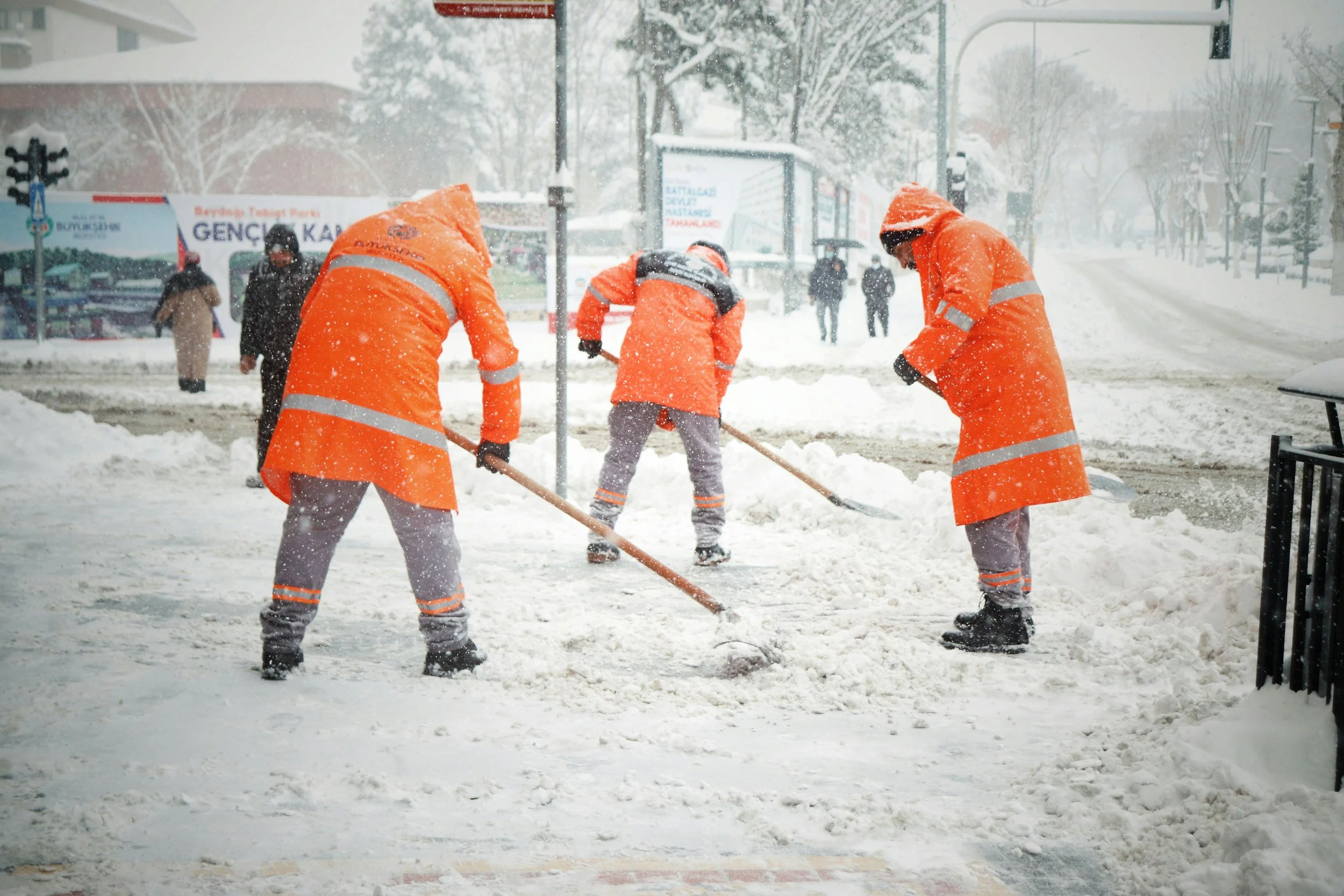
Image by Serkan Gönültaş found on Prexels

Vista, CA – February 6, 2026 - With the wet and cold weather this winter in many parts of the United States, some facility managers and building service providers may assume drought concerns are behind us.

While recent storms have brought beneficial precipitation and eased drought in areas such as the Southern Plains, Midwest, South, and East, drought is not fully over nationwide.

 According to Drought.gov, as of late January 2026, about 36% of the United States and Puerto Rico remain in drought, and conditions have worsened in parts of the West where snowpack and precipitation have been limited.

Why Facility Managers and Service Providers Should Be Concerned

"It's important to understand that drought is a long-term condition," says Klaus Reichardt, CEO and Founder of Waterless Co. Inc, marketers of no-flush urinals.

"A wet period can help, but much of that water runs off into rivers or evaporates as temperatures warm in spring. Only a portion filters deep enough to recharge groundwater and aquifers that supply water for most commercial and institutional facilities today."

Regional Impacts on Building Operations

According to Reichardt, facility managers and building service providers in these areas should prepare for continued water challenges:

  • Southwest Region: Arizona, Colorado, New Mexico, Utah, and Wyoming had their warmest December on record, resulting in below-normal early-winter snowpack that feeds municipal water systems.

  • Southern Plains: Texas and Oklahoma are likely to experience below normal precipitation and warmer weather in 2026, affecting commercial water availability.

  • Southeast: Drought conditions in Georgia and Alabama are likely to persist, even if wetter weather arrives.

What This Means for Your Facility

Facility managers and building service providers in drought-affected regions should expect water restrictions that can directly impact daily operations.  

"Managers may face mandatory usage restrictions which can negatively impact cleaning schedules, use of cooling systems, and landscaping," says Reichardt. "They'll also see higher utility rates as water providers struggle to meet demand during drought."

Taking Action Now

Reichardt advises facility managers and building service teams to implement water-saving measures now rather than waiting for mandatory restrictions.

"This challenge goes beyond simple conservation," Reichardt explains. "It requires water efficiency through upgrades like low-flow or no-flow restroom fixtures and HVAC and irrigation systems that minimize evaporation. These investments safeguard both operations and budgets long-term, no matter the weather."

 ### 

About Waterless

Waterless Co., Inc. introduced waterless urinals to North America in 1991. Headquartered in Vista, California, the company has established itself as an industry leader by assisting building owners and managers in improving water efficiency and reducing operational expenses. Waterless Co., Inc. provides a comprehensive range of Waterless No-Flush urinals, cleaning solutions, and other cost-effective accessories. For more information, please visit: www.waterless.com  


Waterless Co. Inc.

1050 Joshua Way
Vista, CA 92081 USA
800.244.6364

sales@waterless.com

Media Contact: Robert Kravitz

Phone: 312-880-8176

E-Mail: robert.kravitz@outlook.com

Why Reliability Defines Brand Success

Image by Ann H found on Prexels

Reliability is the cornerstone of both personal relationships and successful business operations. For a brand to earn true customer loyalty, its products must demonstrate consistent quality, dependability, and, above all, reliability.

Failing to maintain these standards can have devastating consequences. When a product fails, the reputation of the brand often fails with it. Below, we examine two case studies on how reliability issues can destroy market dominance and how simplicity offers a permanent solution.

Case Study 1: How Quality Issues Can Erase Brand Equity

In the 1990s, a U.S. company became famous for manufacturing exceptional carpet extractors. Used daily in residential and commercial settings, these machines were the gold standard of the industry.

The "Mercedes" of Carpet Extractors

They earned the nickname “the Mercedes of carpet extractors” due to their outstanding engineering. Despite a premium price tag, customers happily paid more because they valued the machine’s trustworthy performance.

The Cost of Manufacturing Compromise

In the 2000s, seeking to lower costs, the company moved production overseas. The results were catastrophic for their brand reputation:

  • Immediate Defects: Imported machines suffered significant quality issues from day one.

  • High Return Rates: At the peak of the crisis, 80% of units were returned due to manufacturing flaws.

  • Irreversible Damage: Although quality eventually stabilized, the company lost its prestigious reputation and suffered a permanent decline in market share.

Case Study 2: The Importance of Real-World Product Testing

A telecommunications company once developed a revolutionary product designed to increase digital communication speeds. After successful in-house testing, the company invested heavily in a global marketing launch.

The "Real World" Failure

While initial sales were excellent, a critical flaw emerged within months. The company had tested the product in controlled bursts but failed to simulate the continuous 24/7 operation required by customers.

The constant heat caused widespread solder joint failures. Although the manufacturer rushed to replace the defective circuit boards, the reputational damage was terminal. The product was discontinued, and the development costs were never recovered.

The Solution: Simplicity Equals Reliability

As these examples demonstrate, reliability means consistency. It describes a solution that performs as expected every time, maintaining quality without failure.

This is the philosophy behind Waterless No-Flush™ Urinals. Thousands of facility managers across North America have discovered that simplicity is the key to reliability. By removing the complex flush valves and sensors found in traditional fixtures, we eliminate the primary points of failure.

Why Waterless Urinals Exemplify Reliability:

  • Consistent Performance: They remove liquid waste quickly, hygienically, and odor-free—every single time.

  • Resource Efficiency: They save facilities millions of gallons of water annually without the risk of mechanical leaks.

  • Reduced Maintenance: By eliminating flush valves, you eliminate the most common plumbing headaches and repair costs.

When it comes to sustainable restroom design, Waterless urinals mean reliability.

The Future Doesn't Flush – Clean and Hygienic Waterless No-Flush™ Urinals

– Klaus

States With the Greatest Water-Saving Potential

water efficency

Image by Jacoby Avin found on Prexels

States With the Greatest Water-Saving Potential

Data from the Pacific Institute identifies U.S. states with the highest water-saving potential through efficiency upgrades—achieving the same results with less water.

Top 5 States:

  1. California: Urban water efficiency leader

  2. Texas: Growing population in increasingly dry climate

  3. Florida: High irrigation needs, aging infrastructure

  4. Arizona: Critical resource management needs

  5. Nevada: Desert conservation pioneer

California Example: Urban water use could drop 30–48% with modern efficiency measures.

4 Key Improvement Areas:

  • Leak repair in infrastructure and homes

  • Reduced outdoor/landscaping waste

  • Industrial equipment upgrades

  • Modern fixture installation (low-flow toilets, waterless urinals)

What Determines Savings Potential:

  • Population size (higher consumption = greater savings)

  • Climate/landscaping (arid regions with heavy irrigation)

  • Infrastructure age (older pipes = more leak recovery)

Economic Benefits:

  • Extended infrastructure lifespan

  • Sustainable population growth

  • Crisis prevention

  • Lower utility costs

Bottom Line: At Waterless Co., Inc., we believe protecting our most vulnerable resource starts with using it smarter. Water efficiency is the path to a sustainable future, regardless of location.

— Klaus

Here's A Tip For Cleaning Professionals

For many cleaning professionals, "Green Cleaning" was the rallying cry of the past. Today, that rallying cry is for water efficiency.

With water costs rising due to the explosive growth of data centers, managers are looking for more than just eco-friendly chemicals—they want reduced utility bills.

Learn how to position water efficiency as a competitive advantage and make it central to your brand. 👇

Read "AI's Thirst for Water: A Looming Crisis for the Cleaning Industry" on the Waterless Company website: https://tinyurl.com/37wtysnh

The Future Doesn't Flush – Clean and Hygienic Waterless No-Flush™ Urinals

What’s the Difference Between Water Withdrawal and Water Consumption?

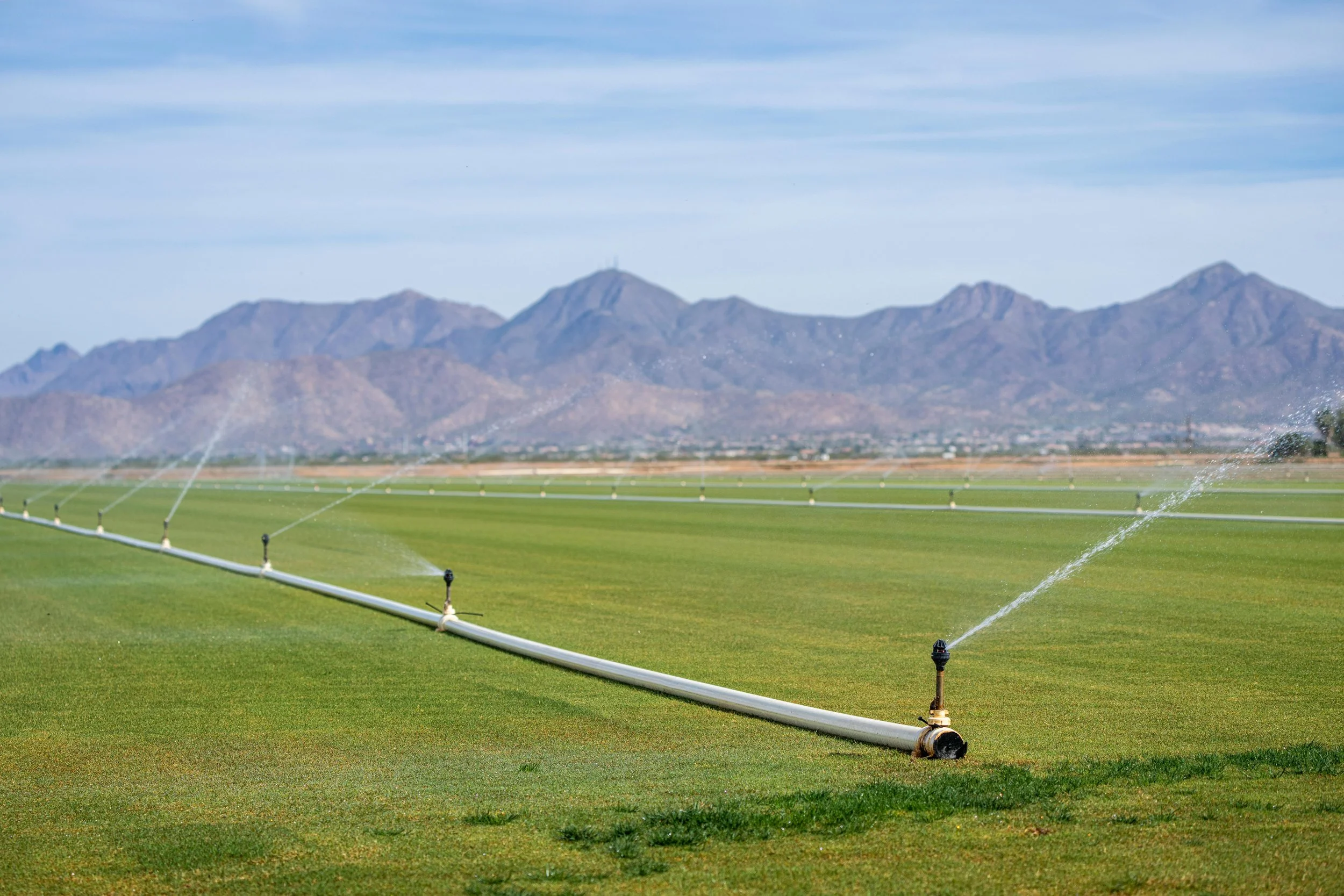
Irrigation Image by Mark Stebnicki found on Prexels

These two terms may sound similar, but they differ significantly. This distinction is important to consumers wanting lower water bills, businesses aiming to control costs, and data centers opening nationwide.

Knowing the difference clarifies how water is used and why certain industries face extra scrutiny from utilities and regulators.

Here's the essential difference you need to understand.

Water Withdrawal (Use)

Water withdrawal, also referred to as water use, refers to the total volume of water taken from a source, such as a river or aquifer, for use by industry, cooling, irrigation, power, or households.

Key points about water withdrawal:

  • Withdrawn water may be returned to its source or another water body after use.

  • Returned water is often lower quality—warmer, with chemicals or minerals, and may need treatment.

  • Less water is returned than withdrawn due to evaporation, leaks, or absorption.

  • Large withdrawals can still strain local systems, especially during drought or peak demand.

Here’s an example: a data center may withdraw millions of gallons of water per day for cooling. Even if much of that water is discharged back into a river, the temporary removal—and any changes in water temperature or quality—can impact ecosystems and downstream users.

Water Consumption

Water consumption refers to the portion of water withdrawn but is not returned to the original source or a different water body. This water is effectively removed from the water system.

Water is considered “consumed” when it:

  • Evaporates during cooling or industrial processes, or is lost due to poor water infrastructure

  • Is incorporated into products (such as food, beverages, or manufactured goods)

  • Is absorbed by plants or soil through irrigation.

From a cost and sustainability standpoint, water consumption is often the more critical metric. Consumed water reduces the amount available to other users and future needs, which can drive up utility costs, lead to stricter regulations, and raise community concerns.

In data centers, for instance, evaporative cooling systems may consume significant volumes of water even if total withdrawals seem moderate. That consumed water represents a permanent loss to the local supply.

Why the Distinction Matters

Utilities and regulators track both metrics to understand system stress and long-term water availability in a community. If much more water is consumed rather than withdrawn, businesses may face higher water charges or restrictions on how much water they can use.

We must also point out that communities and ecosystems are impacted most directly by consumption, since that water is no longer available locally.

In short, water withdrawal indicates temporary removal, while water consumption shows how much is permanently lost. This distinction is why organizations are looking into mechanicals and restroom fixtures that use less water, or, as in the case of waterless urinals, none at all.

This approach addresses both terms.  Far less water is withdrawn, which also means far less water is consumed.


Klaus Reichardt, founder and CEO of Waterless Co. LLC in Vista, California, is a recognized authority on water conservation. Since 1991, he has led the company to innovate plumbing products like the Waterless No-Flush urinal, which operates entirely without water.

To contact Klaus, click here.

The Future Doesn't Flush – Clean and Hygienic Waterless No-Flush™ Urinals

Facility Manager Questions Waterless Urinals: Have There Been Any Advances?

A facility manager recently asked an important question about waterless urinals, odor control, and modern restroom technology:

“Have there been any advances in waterless urinals? While we know they save water, many building owners and facility managers still believe they cause odor issues. Is this true?”

 Expert Answer: The Truth About Waterless Urinals and Odor Control

Thank you for your interest in waterless urinal. This is a great question and one that comes up frequently among facility managers, building owners, and maintenance professionals.

You are absolutely correct—waterless urinals save water, save money, support sustainability goals, and significantly reduce environmental impact. In addition to water conservation and efficiency, modern waterless urinals offer several advantages, including:

  • Lower maintenance and repair costs

  • Fewer plumbing issues

  • Improved restroom hygiene

  • Reduced long-term operating expenses

However, concerns about odor problems with waterless urinals still persist. But, with new advances and products, and a better understanding of waterless urinals – how to install them and maintain them - we rarely hear complaints about odor issues today.

First, About the Author: A Waterless Urinal Expert

Before addressing odor issues directly, allow me to introduce myself. I am widely recognized as a waterless urinal expert with more than 30 years of industry experience. As CEO and Founder of Waterless Co., Inc, I have been involved in the development, marketing, and installation of waterless urinals and related restroom technologies throughout North America and worldwide since 1991.

Why Early Waterless Urinals Had Odor Problems

In the past, odor issues in no-water urinals typically resulted from three main factors:

1. Ineffective Sealing Liquids and Cartridges

Many early waterless urinal manufacturers required the use of expensive cartridges placed at the bottom of the fixture. The sealing liquids used in these cartridges often evaporated quickly or failed to provide long-lasting odor protection.

The purpose of both the cartridge and sealing liquid is to block sewer gases from entering the restroom. Today, these components have improved significantly. Many manufacturers now recommend BlueSeal® sealing liquid, which lasts longer, is refillable, easy to maintain, and more cost-effective than competing products.

2. Improper Cleaning Practices

When waterless urinals were first introduced, cleaning professionals were unfamiliar with how to maintain them. In many cases, excessive water was used during cleaning, which diluted or washed away the sealing liquid and damaged the cartridge—leading to odors.

Today, this issue has been eliminated. Cleaning staff are now trained to properly maintain waterless urinals. In most cases, cleaning requires only a sanitizer or disinfectant sprayed on the urinal surface and wiped clean. There is typically no scale buildup, and aggressive scrubbing is unnecessary.

3. Lack of Sealing Liquid Replenishment

Another common issue was uncertainty about how often to refill the sealing liquid. While the process is simple, early adopters often did not train cleaning personnel properly, resulting in depleted sealant and odor problems.

Modern waterless urinal maintenance programs clearly outline refill schedules, ensuring consistent odor control and optimal performance.

The Bottom Line: Modern Waterless Urinals Are Odor-Free When Maintained Properly

Advances in waterless urinal technology, sealing liquids, and maintenance practices have eliminated the odor problems associated with early systems. When installed correctly and maintained as designed, today’s waterless urinals are reliable, hygienic, and highly effective.

If you have additional questions or would like to learn more about waterless urinals, BlueSeal sealing liquid, or maintenance best practices, please feel free to contact me.

Sincerely,

Klaus Reichardt