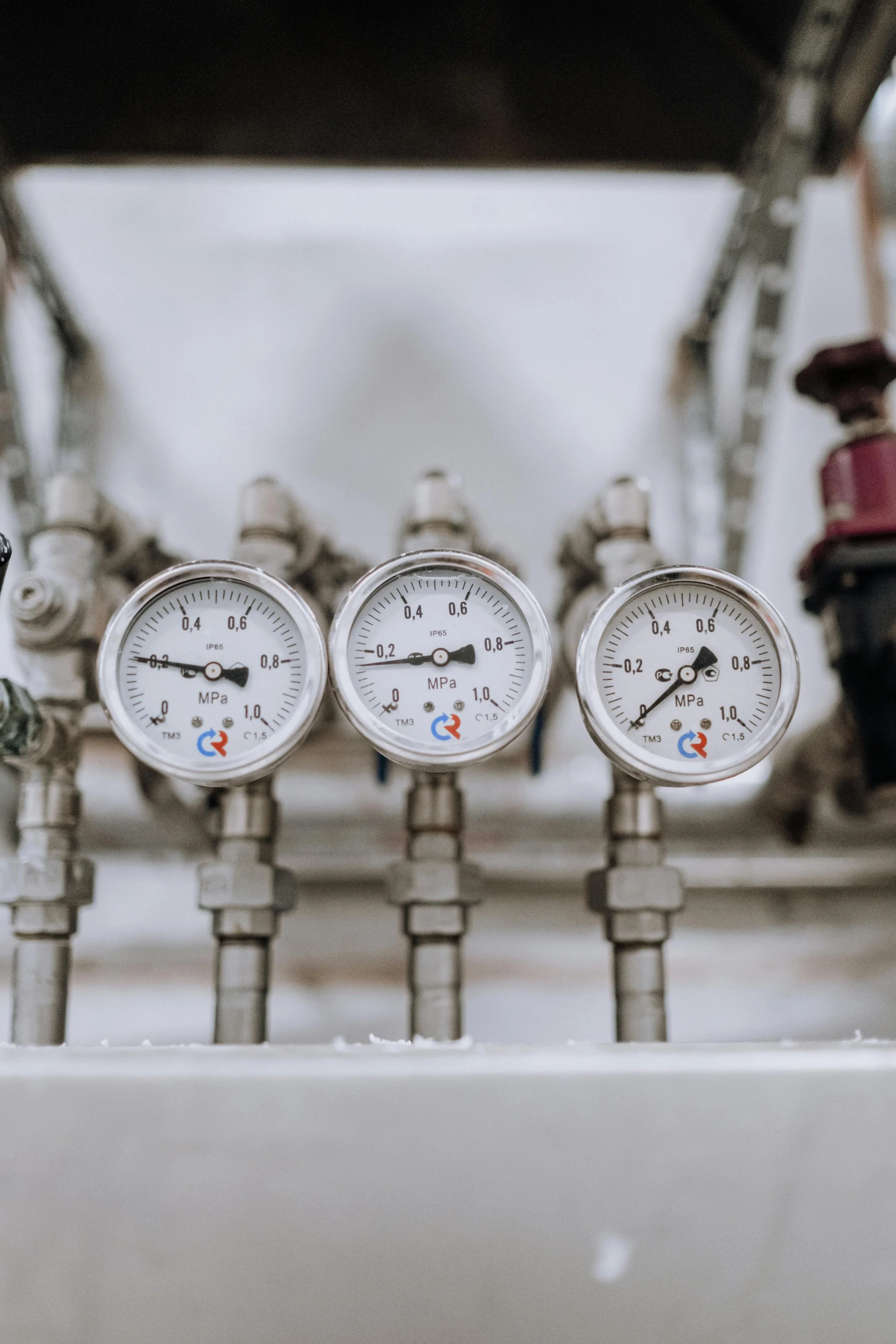
Low Water Pressure? Common Causes and How to Fix Them

Image by Cottonbro Studio Found on Prexels

Low water pressure is one of the most common plumbing problems building managers face, especially in older buildings. When water flow slows down, everyday activities – from flushing toilets and conventional urinals to cleaning and maintenance, to washing hands – take longer, often causing tenant frustration.

Before exploring specific causes, it's important to understand how recognizing the source of low water pressure can help managers decide whom to engage for effective solutions.

1. Clogged or Corroded Pipes

One of the leading causes of low water pressure in commercial buildings is clogged or corroded pipes. Over time, minerals, rust, and sediment can accumulate in plumbing lines, restricting water flow. This is especially common in older facilities with aging plumbing systems, as we mentioned earlier.

2. Plumbing Leaks

Hidden leaks in pipes can significantly reduce water pressure. When water escapes before reaching faucets or appliances, the result is weaker flow throughout the building. If low pressure appears suddenly or is accompanied by higher water bills, a leak may be the cause.

3. Faulty Water Pressure Regulator

Many buildings have a water pressure regulator, which is a device that controls and limits water pressure to a safe range. When this device malfunctions, it can cause an unexpected drop in pressure. In some cases, the regulator may need adjustment or replacement.

4. Municipal Water Supply Problems

Sometimes the issue isn’t inside the facility at all. Water main breaks, maintenance work, or periods of high demand can temporarily lower water pressure across an entire neighborhood.

5. Partially Closed Valves or Clogged Fixtures

Another common cause of low water pressure is partially closed shut-off valves—valves that control water flow into pipes—or faucet aerators that are clogged. Faucet aerators are small mesh screens that fit over the end of faucets to control water flow. Mineral deposits can block these small openings in fixtures, reducing water flow.

6. Aging Plumbing Fixtures

Old faucets, showerheads, and valves may become clogged or worn out over time. Replacing outdated fixtures can often improve water pressure and overall plumbing performance.

7. Seasonal and Environmental Factors

Cold weather, freezing pipes, or drought-related water restrictions can also contribute to reduced water pressure.

8. Too Many Water-Using Fixtures

A primary motivation for building managers to install waterless urinals is their ability to reduce water consumption by up to 35,000 gallons per urinal annually, supporting adequate water pressure throughout the facility by allowing water to be allocated to other uses.

How to Fix Low Water Pressure

Some low-pressure problems can be solved quickly. For instance:

  • Clean faucet aerators and showerheads if installed.

  • Check that all water shut-off valves are fully open.

  • Test the actual water pressure with a gauge.

  • Replace old or clogged fixtures.

If the problem involves pipe corrosion, leaks, or a failing pressure regulator, contacting a professional plumber is usually the best solution.

Bottom Line

Low water pressure often results from clogged pipes, leaks, faulty regulators, or supply issues. Early identification helps building managers restore water flow and prevent larger plumbing problems.

-Klaus
 

Commercial Building Water Savings: Why 2026 is the Year for ROI

When it comes to reducing water consumption, the typical advice—like turning off the tap while brushing teeth—is fine for homeowners. But for facility managers overseeing large-scale commercial properties, "small habits" don't move the needle.

In 2026, the focus has shifted from suggestions to measurable results. For high-traffic facilities, large-scale water efficiency isn't just a "green" initiative; it’s a critical strategy for lowering overhead and meeting modern sustainability benchmarks.

High-Impact Facilities for Water Efficiency

Meaningful water conservation starts in buildings used by thousands daily:

  • Airports & Transit Hubs

  • K-12 Schools and Universities

  • Corporate Office Buildings

  • Convention Centers & Stadiums

By implementing professional-grade upgrades, these facilities see immediate reductions in utility costs and an instant boost in their environmental efforts.

3 Core Principles of Commercial Water Conservation

To achieve deliverable savings this year, facility managers should pivot away from "awareness" and toward infrastructure.

1. Eliminate Reliance on Behavior Change

Behavioral changes are inconsistent and impossible to enforce in a public setting. Modern water-saving technologies make efficiency automatic and effortless. The goal is to save water without the visitor ever noticing a difference.

2. Transition from "Pilot" to "Full-Scale"

The "test phase" for water efficiency is over. The technology is proven. To see a real impact on the bottom line, 2026 is the year to move beyond small pilot programs and commit to building-wide implementation.

3. Target the Highest Consumption Zone: The Restroom

In most commercial buildings, the restroom is the single largest source of water waste. If you want the fastest Return on Investment (ROI), start where the water flows most.

The Critical First Step: The Commercial Water Audit

Before purchasing hardware, you need data. A professional water audit provides a systematic evaluation of your building’s footprint.

A thorough audit identifies:

  • Waste Zones: Where water is used unnecessarily.

  • Hidden Leaks: Sub-surface plumbing issues that bleed money.

  • Upgrade Opportunities: High-traffic fixtures that are past their prime.

Best Water-Saving Upgrades for 2026

Once your audit is complete, these three upgrades offer the highest impact for commercial facilities:

Ultra-Low-Flow Toilets

Modern high-efficiency toilets use as little as 1.28 gallons per flush (GPF). Compare that to pre-1994 models that guzzle 3.0 GPF or more. Even "newer" toilets lose efficiency over time due to mineral buildup and internal leaks; replacing them provides an instant drop in consumption.

Waterless Urinals

Switching to waterless technology is a game-changer for high-traffic men's rooms. They are generally less expensive to install, improve hygiene by reducing touchpoints, and can save tens of thousands of gallons per unit annually.

High-Efficiency Faucet Aerators

Aerators are the "low-hanging fruit" of facility management. For a minimal investment, you can reduce faucet water usage by 20% to 60% without sacrificing the user's perception of water pressure.

The Bottom Line: Start with the Restroom

For facility managers, the path to measurable sustainability in 2026 is clear. By prioritizing restroom upgrades, you create the budget overhead needed to eventually tackle larger mechanical systems, such as cooling towers and HVAC infrastructure.

Large buildings offer the greatest opportunity for impact. It's time to stop "trying" to save water and start delivering results.

What is Water Efficiency?

Unlike "conservation" (which is often temporary), water efficiency is the permanent reduction of consumption through high-performance fixtures that deliver the same—or better—results using significantly less water.

Skyrocketing Water Bills Are Driving Building Managers to Waterless Urinals

Image by Mikhail Nilov found on Prexels

High Utility Rates Force Commercial Real Estate to Rethink Plumbing

Water costs are rising at an unsustainable rate, prompting building managers to "ditch the flush" in favor of more efficient alternatives. A February 2026 survey by Waterless Co., Inc. surveyed facility managers across Southern California and Arizona to identify the primary motivations behind the switch to no-flush urinals.

The consensus? Saving water and cutting overhead costs.

"The primary driver remains water savings," says Klaus Reichardt, CEO and Founder of Waterless Co. "But right behind that is the impact on water and sewer utility bills—and those bills have gotten significantly harder to ignore."

The Surge in Utility Costs: Arizona and California

The financial data reveals a stark reality for property owners in the Southwest:

  • Arizona: Water rates have surged by as much as 50% since 2022, largely due to reduced state water allocations.

  • Southern California: Depending on the district, managers have seen rate hikes between 20% and 60%.

With no immediate relief in sight, switching to waterless technology has become a strategic financial move rather than just an environmental one.

6 Key Benefits of Switching to Waterless Urinals

Beyond the immediate reduction in utility bills, building managers cited several operational advantages:

  1. Lower Maintenance Costs: Without flush valves, handles, or sensors, there are fewer mechanical parts to fail.

  2. Tenant Appeal: Modern tenants prioritize "green" building practices and LEED-certified environments.

  3. Superior Odor Control: High-quality liquid sealant cartridges effectively block sewer gases.

  4. Enhanced Hygiene: Touchless operation removes a major point of germ transmission in high-traffic restrooms.

  5. Simplified Installation: No water supply line is required, making retrofits faster and more affordable.

  6. Placement Flexibility: Fixtures can be installed in areas where running new plumbing lines would be cost-prohibitive.

Addressing the Trade-offs

While the benefits are significant, managers noted that success requires proper cleaning staff training and a budget for cartridge replacements. However, Reichardt notes that these operational shifts rarely outweigh the bottom-line savings.

"Resoundingly, the primary drivers are water and cost savings—especially in drought-prone regions or high-traffic commercial buildings," Reichardt concludes.

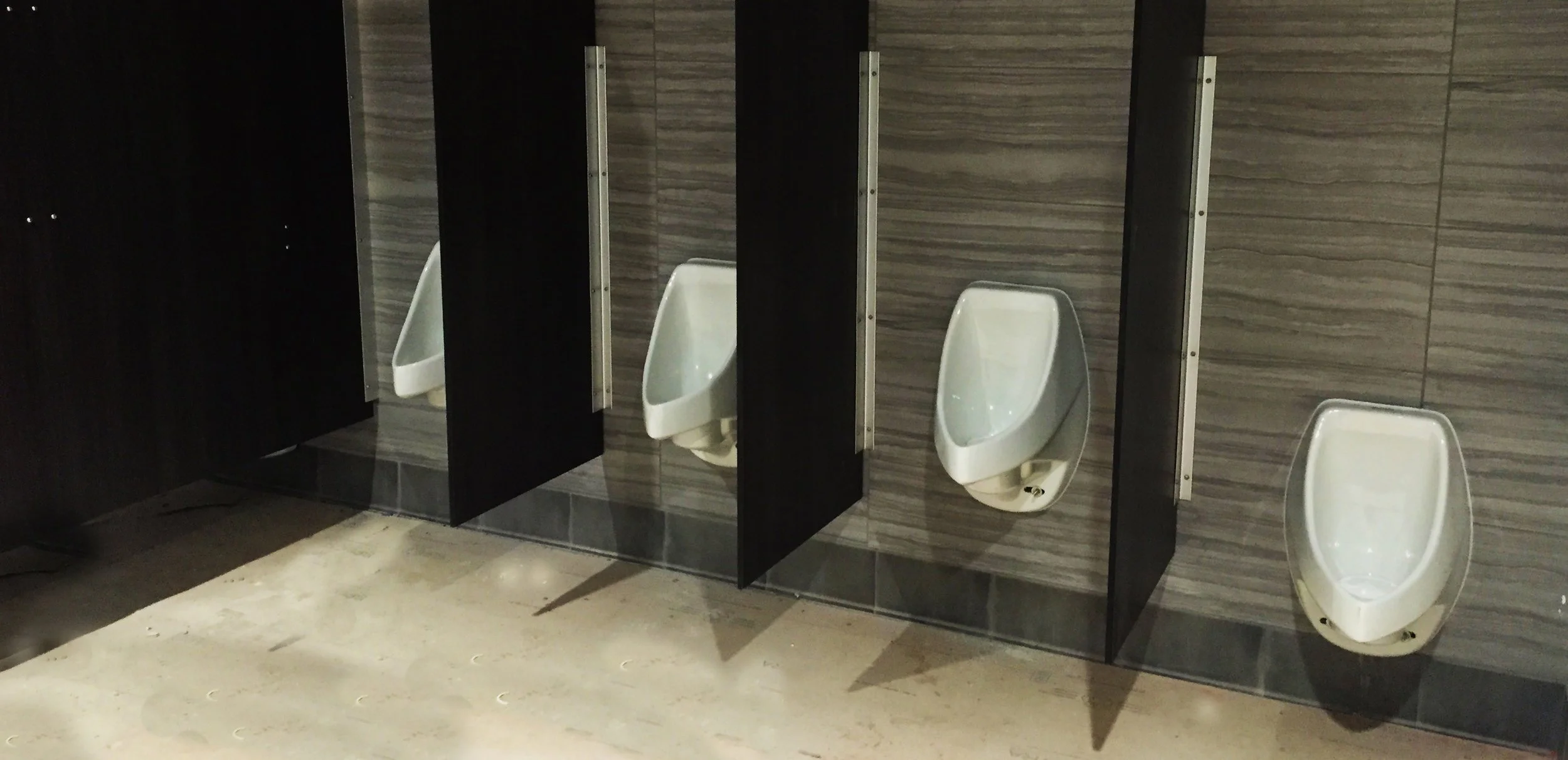
The Future Doesn't Flush – Clean and Hygienic Waterless No-Flush™ Urinals

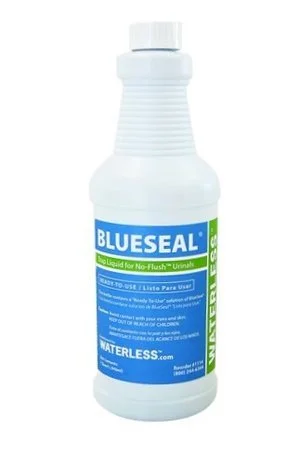
BlueSeal® For Waterless Urinals | Odor Control & Easier Maintenance

BlueSeal® is more than just a trap seal liquid; it is a revolutionary, biodegradable solution engineered specifically for superior waterless urinal performance.

Unlike standard alternatives, BlueSeal is designed with a precisely calibrated specific gravity lower than water or urine. This allows it to float on top, creating an impenetrable vapor barrier that delivers unmatched results.

Why Choose BlueSeal for Your Waterless Urinals?

  • Ultimate Odor Protection: Creates a long-lasting barrier that keeps restroom odors contained for extended periods.

  • Extreme Climate Durability: Performs flawlessly from -70°F to 100°F. With zero evaporation at high heat and total freeze protection, it eliminates the need for costly winterization.

  • Eco-Friendly & Biodegradable: A sustainable choice for modern facility management.

  • Effective Trap Functionality: Ensures your waterless urinal trap remains hygienic and functional during high-traffic use.

Simple & Efficient Maintenance with PortionAid

Maintaining your no-water urinals has never been easier. The proprietary BlueSeal formula is resistant to standard commercial cleaners. For optimal performance and zero waste, we recommend using the PortionAid dispenser to apply precise 3-ounce doses.

Waterless Urinal Cleaning Best Practices:

  • Avoid Cleaning Powders: Harsh abrasives can compromise the liquid seal's performance.

  • No Scrubbing Required: Avoid scrubbing the interior bowl surface of the no-water urinal to prevent surface damage.

What Customers Are Saying: BlueSeal® Reviews

BlueSeal is the top choice for school maintenance personnel, office managers, and park caretakers. Here is why facility professionals recommend it:

  • Reliable Winterization: Consistently effective at protecting waterless urinals during seasonal facility closures.

  • Proven Longevity: Long-term users report years of reliable performance with zero mechanical issues.

  • Cost-Effective: Because small quantities (3 oz) are so effective, customers find they don't need to over-order or waste product.

  • High Recommendation Rate: Reviewers confirm the product performs exactly as advertised, making it an essential tool for sustainable facility management.

Pro Tip: For the best results, always follow the manufacturer's application instructions to ensure peak odor control and operational efficiency.

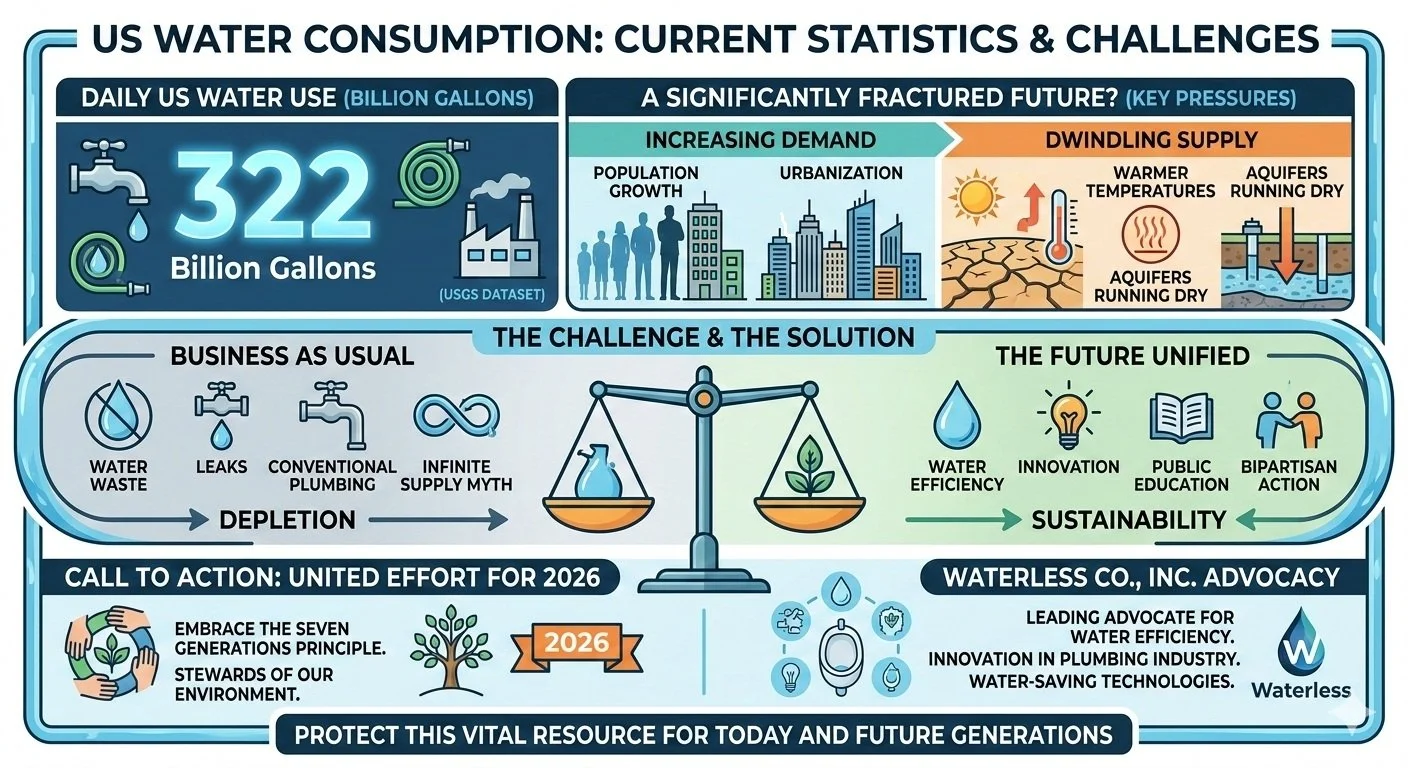
U.S. Water Consumption and Challenges

Graphic Made Inhouse

Americans use a staggering 322 billion gallons of water every single day.

Yet, shockingly, nearly 14% to 20% of that precious resource vanishes before it even reaches our taps—wasted through leaks and crumbling infrastructure.

This is no longer sustainable, according to Klaus Reichardt, CEO and Founder of Waterless Co., Inc., marketers of no-water urinals. “We need to face our water-related challenges and open the door to the many solutions available.

Top 10 Benefits of Waterless Urinals for Commercial Buildings

Waterless Urinals at the Mercedes Benz Stadium in Atlanta

With over three decades in the waterless urinal industry, we've seen that most clients initially reach out to us with a primary goal: to significantly reduce water consumption.

While water conservation remains a major motivator, facilities that install water-saving urinals quickly uncover a host of additional benefits compared to traditional flushing urinals, which can use anywhere from 1 to 3 gallons of water per flush.

Here are 10 ways waterless urinals outperform conventional urinals:

1.    Eliminate Water Waste: This is the most obvious benefit. Waterless urinals use zero water, leading to dramatic reductions in a building's overall water consumption and significantly lowering water bills.

2.    Reduce Carbon Footprint: Less water consumption means less energy used for water treatment, pumping, and heating, contributing to a smaller carbon footprint for your facility.

3.    Support Green Building Initiatives: Installing waterless urinals helps facilities achieve sustainability goals and certifications like LEED, enhancing their commitment to environmental responsibility.

4.    Lower Utility Bills: Beyond water savings, reduced wastewater means lower sewer charges, leading to substantial overall utility cost reductions.

5.    Simplified Plumbing: Waterless urinals don't require flush valves or water supply lines, simplifying installation and reducing potential points of failure.

6.    Reduced Maintenance: Fewer moving parts and no flushing mechanisms mean less frequent repairs and reduced maintenance time for facilities staff. This translates directly into labor cost savings.

7.    Enhanced Hygiene: Without flushing, there's no aerosolized spray that can spread bacteria and viruses, contributing to a more hygienic restroom environment.

8.    Odor Control: Modern waterless urinal designs utilize advanced trap technologies and sealants that effectively prevent unpleasant odors from escaping the drain, often outperforming conventional urinals in odor control when properly maintained.

9.    Fewer Clogs: The absence of flush water can mean less buildup of mineral deposits and fewer foreign objects being flushed, potentially reducing instances of clogs.

10.         Quieter Restrooms: Without the sound of flushing, waterless urinals contribute to a quieter and more peaceful restroom environment.

Drought Expected Across Much of the U.S. This Summer — How AI Can Help Protect Water Resources

Image by Laura Trancredi

As spring approaches, much of the United States is preparing for more than just warmer temperatures. Large portions of the country are projected to experience below-normal precipitation this summer, raising concerns about drought conditions and their impact on communities, agriculture, and commercial properties.

For building owners and facility managers, the forecast presents a clear challenge: how to reduce water waste at a time when every gallon counts.

“These areas are likely to face serious water-related challenges,” says Klaus Reichardt, CEO and founder of Waterless Co., Inc.. “Agriculture, local water supplies, and even public health could be impacted. One of the most effective responses is to prevent water loss. Advances in Artificial Intelligence are making that far easier than it was even a few years ago.”

The Hidden Problem of Water Loss

In the United States, an estimated 14% to 20% of treated drinking water is lost before it ever reaches consumers. Aging infrastructure, undetected leaks, inefficient fixtures, and outdated irrigation systems all contribute to this loss. During drought conditions, these inefficiencies compound the strain on already limited supplies.

For commercial buildings — including offices, schools, healthcare facilities, and retail properties — water waste often goes unnoticed until it becomes costly. But AI-driven technologies are helping shift water management from reactive to proactive.

How AI Is Reducing Water Waste

Smart Leak Detection
AI-powered sensors can continuously monitor plumbing systems, identifying abnormal flow patterns that signal leaks. In many cases, these systems detect issues long before they would be discovered during routine inspections.

Predictive Maintenance
By analyzing historical data from pipes, fixtures, and irrigation systems, AI can forecast when components are likely to fail. This allows facility managers to perform maintenance before leaks occur, preventing costly water loss and damage.

Real-Time Water Monitoring
AI platforms track water consumption in real time and flag unusual spikes. These anomalies often reveal hidden leaks, malfunctioning equipment, or improper usage patterns.

Restroom Fixture Analysis
Restrooms account for a significant percentage of water use in commercial buildings. AI tools can evaluate fixture performance and recommend lower-consumption options — including no-water technologies such as waterless urinals — that dramatically reduce usage.

Smart Irrigation
Outdoor irrigation is one of the largest sources of waste in commercial landscapes. AI-driven irrigation systems adjust watering schedules based on weather forecasts, soil moisture levels, and plant requirements, eliminating overwatering.

Automated Shutoffs
When abnormal flow or pressure is detected, AI systems can automatically shut off water to affected areas. This prevents minor leaks from escalating into major water losses.

Occupancy-Based Optimization
AI can analyze occupancy patterns and adjust water usage accordingly, reducing consumption during evenings, weekends, or low-traffic periods without requiring manual intervention.

Water Audit Benchmarking
AI can rapidly analyze utility data and compare a building’s water use against similar properties. This benchmarking helps uncover hidden inefficiencies and identify opportunities for improvement.

From Reactive to Proactive Water Management

The common thread among these technologies is a shift in mindset. Instead of responding to visible leaks or rising utility bills, facility managers can now anticipate problems and address them before significant water is lost.

“When it comes to protecting water resources, being proactive isn’t optional — it’s essential,” Reichardt says.

As drought conditions intensify across parts of the country, AI offers a powerful tool in preserving water supplies, controlling operating costs, and strengthening sustainability efforts. For commercial buildings especially, smart water management may soon become not just an environmental initiative, but a business necessity.

Why Savvy Building Owners are Fast-Tracking Waterless Urinals in 2026

Image found on Prexels by Renaldo Brigantty

For decades, the decision to install waterless urinals was viewed primarily through an environmental lens looking for ways to reduce water consumption.

However, in today’s economic climate, the narrative has shifted. While sustainability remains a "nice to have," operational cost reduction has become a survival imperative for commercial property managers.

With non-residential construction material costs soaring by over 40% since the pandemic, building owners are looking for every possible avenue to trim overhead without sacrificing facility quality. Here is why the "No-Flush" revolution is currently hitting its stride.

The True Cost of a Flush: Waterless vs. Standard

The financial disparity between traditional 1.0 GPF (Gallons Per Flush) urinals and waterless models is staggering when scaled across a commercial portfolio. In a typical office or school setting (75–100 uses per day), a single traditional fixture can cost up to $690 annually to maintain. In contrast, a waterless model costs approximately $80.

Standard Flush Urinal (1.0 GPF) vs. Waterless No-Flush™ Urinal

Annual Water Use: 25,000 – 35,000 Gallons vs. 0 Gallons

Annual Utility Cost: $300 – $500 vs. $0

Maintenance Needs: $190 (Valves, sensors, leaks) vs. $60 – $80 (Cartridge/Sealing Liquid)

Hygiene Profile: Damp (Promotes bacteria) vs. Dry (Inhibits bacteria)

Beyond the Water Bill: Operational Advantages

The benefits of removing water from the equation extend far beyond the monthly utility statement:

  • Lower Capex on New Builds: Eliminating the need for flush valves and complex supply-line plumbing significantly reduces initial construction costs.

  • Mitigating Flood Risk: Mechanical failures in sensors or valves are a leading cause of restroom flooding. Waterless systems remove the source of the risk entirely.

  • Reduced Pipe Scaling: Standard urinals often suffer from "calcification"—a chemical reaction between hard water minerals and waste. Waterless systems keep pipes clearer for longer by removing the mineral-heavy flush water from the process.

  • Superior Hygiene: Bacteria thrive on moisture. By maintaining a dry ceramic surface, waterless urinals create a hostile environment for microbial growth, often resulting in a cleaner-smelling restroom.

The Bottom Line

As we move further into 2026, the mandate for building owners is clear: efficiency is the new currency. Waterless No-Flush™ urinals offer a rare "triple threat" of benefits—drastic utility savings, reduced mechanical maintenance, and a smaller carbon footprint.

The future of commercial sanitation doesn't involve a flush handle; it involves a smarter, drier, and more cost-effective approach to facility management.

The Evolution of Urinals: From Ancient Sanitation to Waterless Innovation

Think urinals are just a standard restroom fixture? Think again. The history of urinals is a fascinating journey of engineering, from ancient sanitation systems to bold artistic statements and cutting-edge water-saving technology.

Today, urinals are a cornerstone of sustainable building design. By helping facilities reduce water consumption and overhead costs, modern fixtures are essential for meeting 21st-century environmental goals. Let’s explore how the humble urinal evolved—and why it matters more than ever.

1. A Surprisingly Ancient Invention

While many believe urinals are a modern convenience, their origins date back over a millennium.

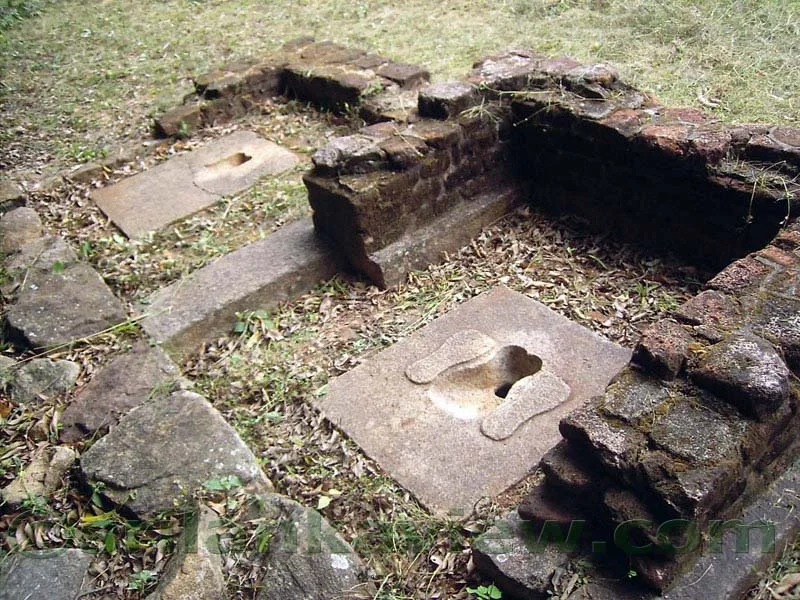
  • 9th Century Sri Lanka: Archaeologists have uncovered urinal-like systems designed for efficient waste management.

  • 1830s Paris: The first widely recognized public urinals, known as pissoirs, were installed to improve urban hygiene.

  • The Rise of the Pissoir: By the early 20th century, Paris boasted over 1,000 of these street fixtures, setting a sanitation standard for all of Europe.

2. Transitioning from Streets to Indoor Plumbing

As architecture and plumbing evolved, so did the urinal. The primary distinction lies in their environment:

  • Pissoirs: Historically outdoor, public fixtures used for city-wide sanitation.

  • Modern Urinals: Indoor plumbing systems integrated into commercial, industrial, and institutional buildings.

With the advent of advanced drainage, urinals became a standard feature in high-traffic areas like schools, offices, and stadiums.

3. The First Patent and Early Designs

In 1886, Andrew Rankin was granted the first official urinal patent. However, historical records suggest a woman may have originally conceptualized the design—an often-overlooked contribution to sanitation history.

Early manufacturers experimented with diverse materials before settling on the standards we see today:

  • Initial Materials: Wood, glass, and cast iron.

  • Ornate Craftsmanship: Mid-1800s cast-iron models from Scotland often featured decorative privacy screens, blending industrial function with Victorian aesthetics.

  • The Shift to Ceramics: Eventually, non-porous materials like porcelain and ceramic became the gold standard for hygiene.

4. The Birth of Waterless Urinal Technology

The most significant leap in efficiency occurred in the late 19th century. Wilhelm Beetz developed the first waterless urinal, utilizing a sesame oil-based siphon to trap odors while allowing waste to pass through.

While Beetz’s design was ahead of its time, his core concept—blocking sewer gases without the need for a flush—remains the foundation of modern eco-friendly restroom solutions.

5. When Urinals Became Art: Marcel Duchamp

In 1917, the urinal transcended the restroom and entered the gallery. Artist Marcel Duchamp submitted a porcelain urinal titled Fountain to an exhibition, sparking a global conversation on the definition of art. Today, it remains one of the most influential works of the modern era, proving that even functional objects can reshape culture.

6. The Rise of Waterless Urinals in Sustainable Buildings

Since Waterless Co., Inc. introduced the technology to North America in 1991, the adoption of No-Flush™ urinals has skyrocketed. This shift is driven by a global push for LEED certification and sustainable management.

Key Markets for Waterless Technology:

  • Commercial: Office buildings and corporate headquarters.

  • Education: Schools and university campuses.

  • Public Venues: Airports, theaters, and sports stadiums.

  • Healthcare: Hospitals and clinics.

Why Facilities are Switching:

1.    Water Scarcity: Increasing global droughts make water conservation a priority.

2.    Cost Savings: Lower utility bills and reduced plumbing maintenance.

3.    ESG Goals: Stricter environmental, social, and governance regulations.

4.    Hygiene: Reducing touchpoints and moisture helps limit the spread of bacteria.

Did you know? A single waterless urinal can save thousands of gallons of potable water every year.

Why Restroom Evolution Matters Today

The shift from ancient stone drains to high-tech waterless systems reflects our changing relationship with natural resources. Most modern buildings still use treated, potable water to flush toilets—a luxury that is becoming increasingly unsustainable.

As population growth and climate pressures intensify, upgrading to high-efficiency restroom fixtures is one of the simplest, most impactful ways to protect our environment.

The Future Doesn't Flush

From the streets of Paris to the sustainable skyscrapers of today, urinals have come a long way. Are you ready to join the movement toward smarter water management?

-Klaus

Image Above: A 9th century urinal uncovered in Sri Lanka. Image found on Blogspot and Wikipedia.

High-Flying Hydration: How Modern Airports Are Saving Millions of Gallons

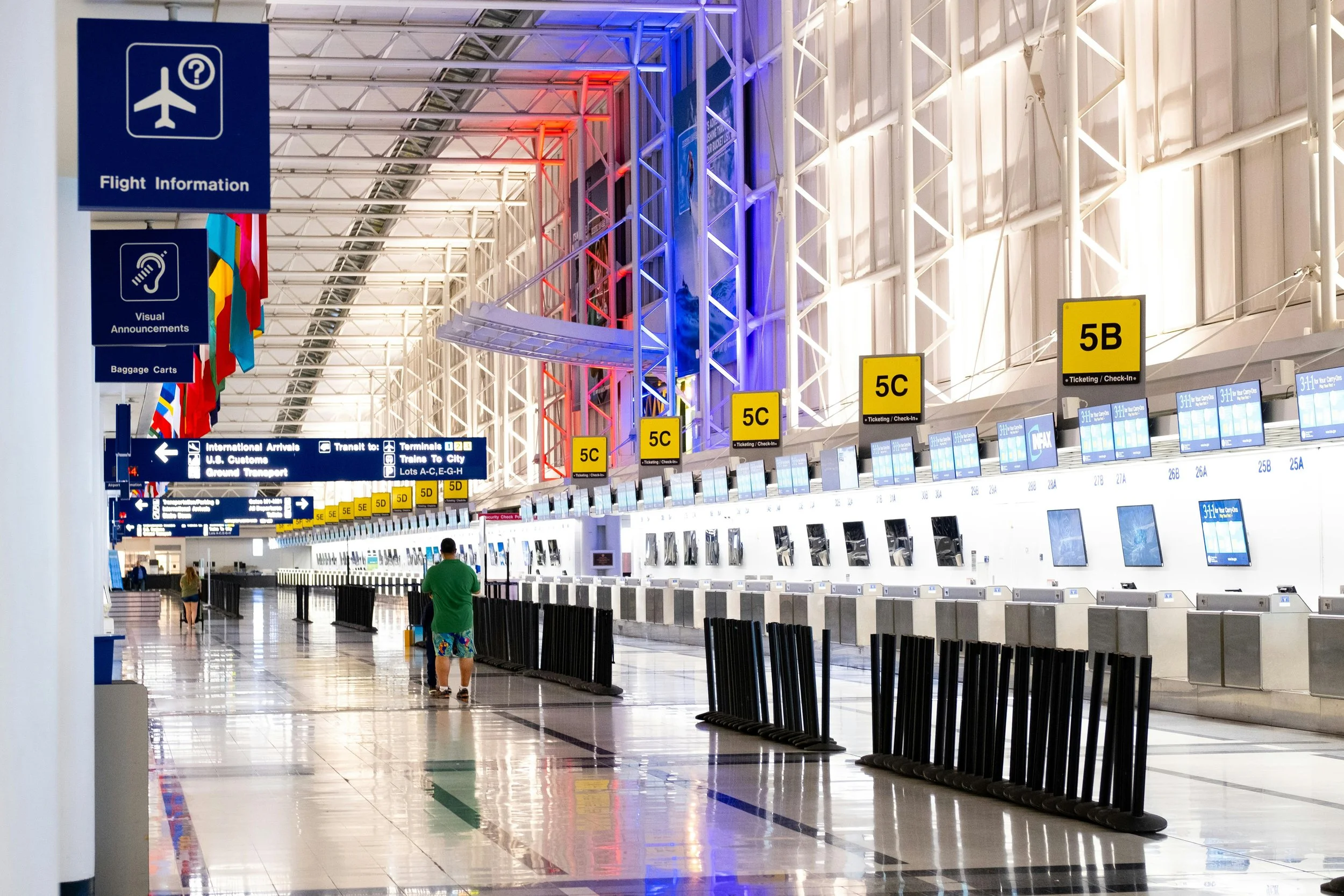
Image by Mathew Turner found on Prexels

Airports are mini cities that never sleep. With millions of passengers passing through terminals annually, the water footprint can be massive. However, according to insights from UK engineering experts at Hoare Lea, these sprawling hubs are uniquely positioned to lead the charge in water efficiency.

By rethinking everything from the restroom to the runway, airports can slash operating costs and meet ambitious sustainability goals. Here are six high-impact strategies transforming airport water management today.

1. High-Efficiency Fixtures

The easiest win for any terminal is at the tap. By installing low-flow toilets, sensor-activated faucets, and waterless urinals, airports can significantly reduce "direct use" water consumption. The best part? These upgrades are invisible to passengers, maintaining a premium user experience while quietly saving gallons behind the scenes.

2. The Power of Water Recycling

Why use drinking water to flush a toilet? Airports are increasingly turning to circular water economies by implementing:

  • Greywater Systems: Capturing water from sinks and showers for non-potable use.

  • Treated Wastewater: On-site plants that purify water for industrial tasks.

  • Reclaimed Water: Utilizing processed water for cooling towers and heavy maintenance.

3. Harvesting "Hidden" Water Sources

An airport’s massive physical footprint is a goldmine for water collection.

  • Rainwater Harvesting: Capturing runoff from vast terminal roofs and tarmacs.

  • HVAC Condensate: Reclaiming the "sweat" from massive air conditioning units.

  • Result: A steady supply of free water for landscaping and cooling systems.


4. Cooling & Mechanical Optimization

Cooling a glass-walled terminal in the summer takes a monumental amount of water. Airports are now optimizing their HVAC and cooling towers by:

  • Increasing water "cycling" (reusing the same water more times before discharge).

  • Exploring geothermal cooling to bypass water-heavy evaporation methods.

  • Integrating advanced heat exchangers that prioritize energy and water synergy.

5. Smart Monitoring & Leak Detection

You can’t manage what you don’t measure. Modern airports use IoT-enabled smart meters and automated leak detection to spot a burst pipe or a running toilet in real-time. This data-driven approach ensures that "ghost usage" is eliminated, keeping the system airtight and efficient.

6. Sustainable Landscaping (Xeriscaping)

Manicured green lawns are out; native biodiversity is in. By replacing thirsty grass with drought-tolerant plants and smart irrigation, airports can save millions of gallons annually. This not only saves water but also reduces maintenance costs and can even help manage local bird populations (a major safety plus for aviation).

The Bottom Line

Because airports operate on such a massive scale, even a 5% increase in efficiency can translate into millions of gallons saved. By combining smart tech, waterless urinals, with circular water systems, the aviation industry isn't just moving people, it's moving toward a more sustainable future.

-Klaus

Read the entire article here: Innovative water conservation takes flight. | Hoare Lea