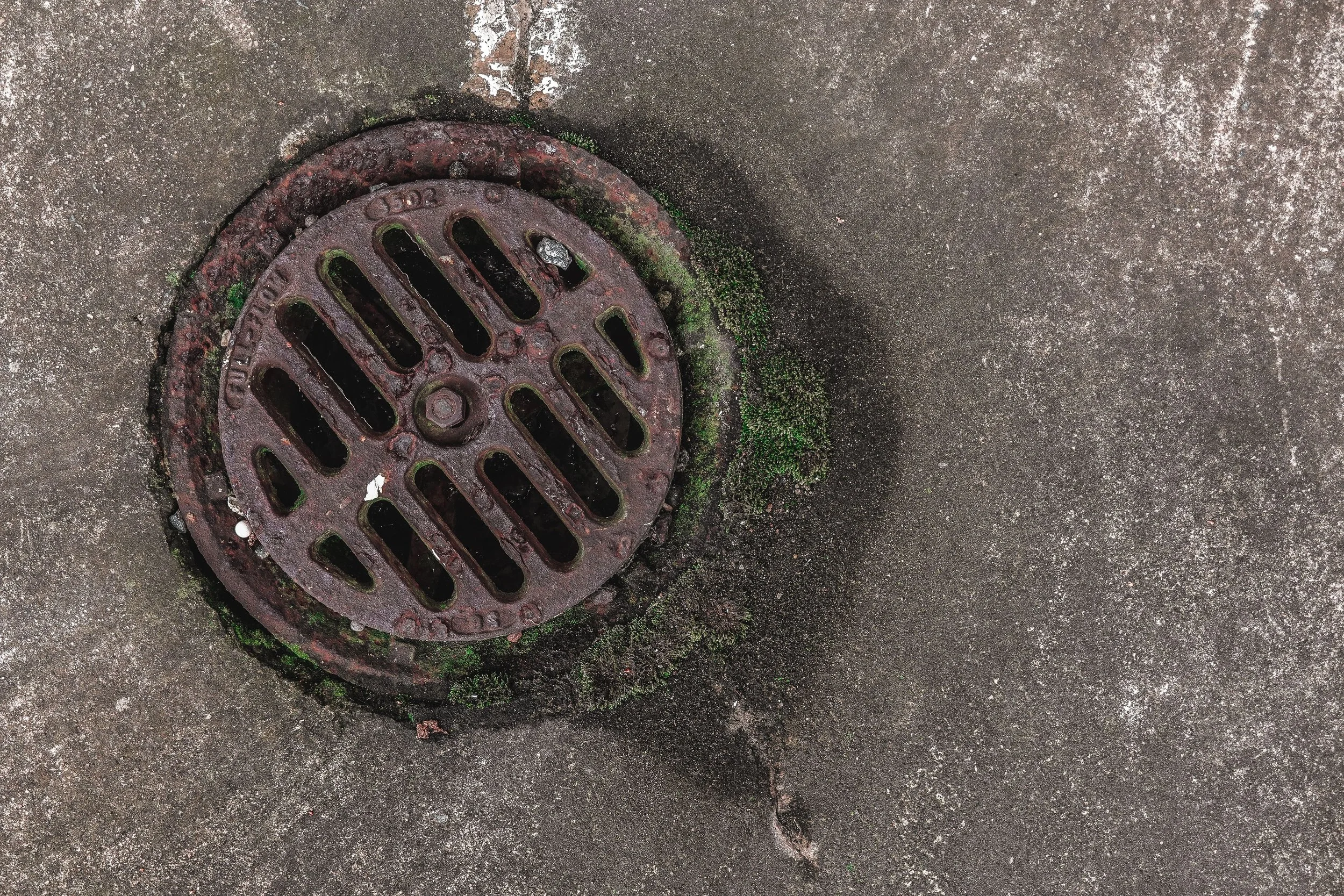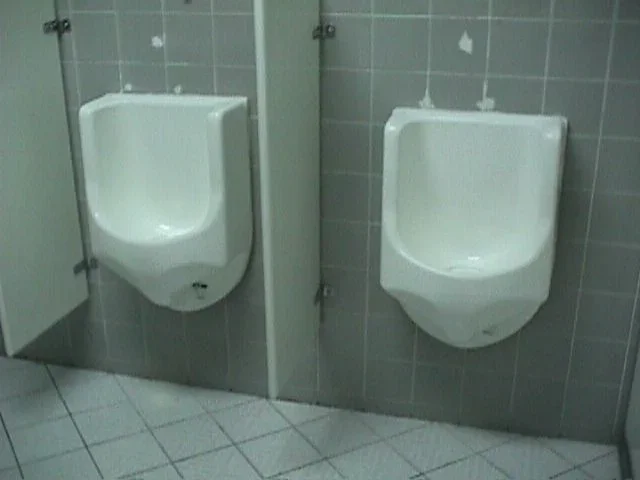
Banishing Public Restroom Odors: The Hidden Role of Floor Drains

First impressions matter, and a foul-smelling restroom can instantly destroy a facility's reputation. Whether managing a school, corporate office, airport, or retail space, keeping restrooms smelling fresh is crucial for visitor satisfaction and perceived cleanliness.

Even a visually spotless restroom can harbor unpleasant odors, leaving guests questioning the building’s overall hygiene. For facility managers and maintenance crews, identifying and neutralizing the root cause of these smells—which is frequently escaping sewer gas—is a top priority.

Why Do Clean Restrooms Smell Bad?

While poor ventilation, missed spots during cleaning, and bacterial buildup are common culprits, one of the most frequently overlooked sources of foul odors is the floor drain.

The Anatomy of a Dry Drain Trap

To understand how this happens, consider a typical school shutdown over summer break. Imagine an elementary school in a dry climate like Albuquerque, New Mexico. After a deep clean in June, the building sits empty for months. By August, returning staff are greeted by a pungent, overwhelming stench.

What caused this? The extended vacancy allowed the water inside the floor drains to completely evaporate.

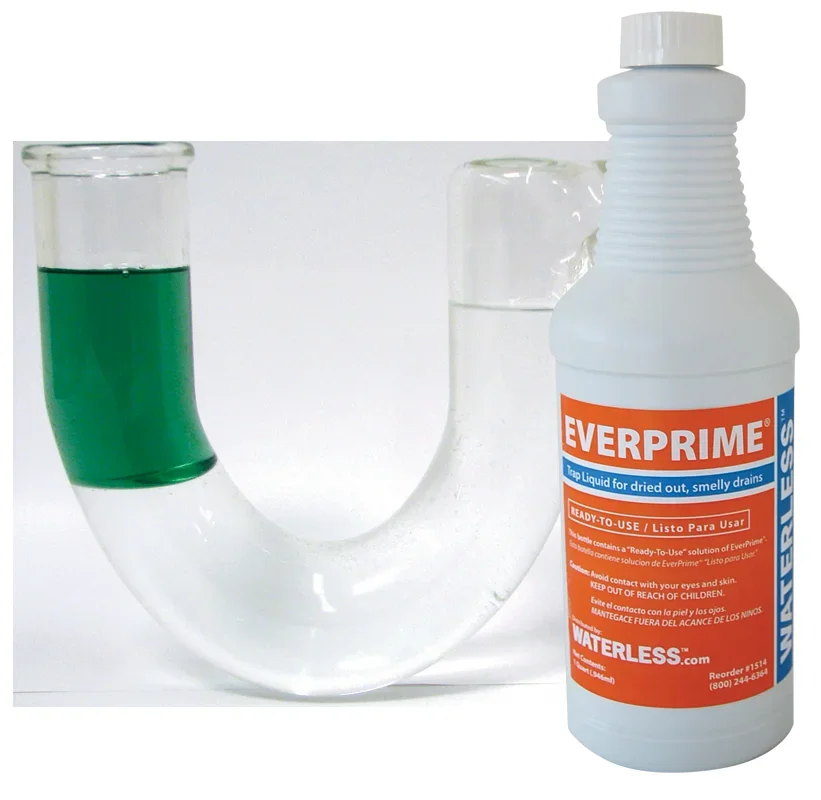
Beneath almost every commercial floor drain lies a U, P, or J-shaped plumbing pipe known as a trap.

  • The Mechanism: This trap is designed to hold a small amount of water (usually two to four inches).

  • The Barrier: This standing water creates a physical seal that blocks dangerous and smelly sewer gases from escaping up into the room.

  • The Evaporation Problem: When a restroom goes unused, this water evaporates. Without that liquid barrier, sewer gases flow freely into the facility.

During regular operations, routine mopping and facility washing naturally replenish this water. However, during extended breaks, holidays, or seasonal closures, the trap quickly dries out.

More Than Just a Bad Smell: A dry drain trap allows more than just foul odors into your facility. It can release hazardous gases like methane and hydrogen sulfide, alongside airborne bacteria, viruses, and mold. In fact, dry drain traps were famously linked to the spread of the SARS virus in a Hong Kong housing complex in 2003, proving that this minor plumbing detail can have major health implications.

How to Prevent Floor Drain Odors

Fortunately, keeping sewer gases where they belong is relatively straightforward. Facility managers generally choose from three primary methods:

  • Manual Replenishment: The most basic fix is having custodial staff manually pour water down every floor drain at least once a week. While inexpensive, it is labor-intensive and easily forgotten during long shutdowns.

  • Automated Priming Systems: Facilities can install trap primers that automatically inject water into the drains based on timed schedules or pressure drops. While effective, these systems carry high hardware and plumbing installation costs, which multiply quickly across large buildings.

  • Liquid Trap Seals (EverPrime): A highly cost-effective alternative is using a specialized barrier liquid like EverPrime. Adding just a few ounces to the drain creates a long-lasting cover that prevents water evaporation for months. It requires no plumbing modifications, works in all temperature extremes, and drastically reduces maintenance frequency.

Maintaining a Fresh Commercial Restroom

The best restroom experience is one that goes completely unnoticed. By proactively managing floor drains, facility managers can eliminate sewer odors, safeguard occupant health, and boost confidence in the building's cleanliness.

To learn more about optimizing public restroom odor control, reducing water consumption, or exploring waterless urinal technology, reach out to a Waterless Co. representative today.


School Summer Maintenance: The Hidden Health Risk of Dry Floor Drains

Image by Thirdman found on Prexels

Many school districts and facility managers utilize summer break to tackle deep cleaning, carpet washing, and floor refinishing. While these efforts are vital for a healthy school reopening, one critical area is frequently overlooked: facility floor drains.

During extended school closures, the P-traps beneath floor drains can dry out. This simple plumbing failure creates a direct pathway for hazardous sewer gases to enter classrooms and hallways, posing serious health risks to returning staff and students.

What is a P-Trap and Why Do Drains Dry Out?

A P-trap is a U-shaped pipe installed beneath most facility drains. Its primary job is to hold a small reservoir of water, acting as a physical barrier that blocks toxic sewer gases from escaping into indoor spaces.

When school buildings sit vacant for weeks, or when specific restrooms and janitorial closets receive no water flow, the water inside these traps evaporates. Once the P-trap dries out, the protective seal is gone.

The Dangers of School Sewer Gas Exposure

Sewer gas forms from the natural decomposition of waste. It is a toxic mixture of gases, including ammonia, methane, and hydrogen sulfide.

In high concentrations, these gases displace oxygen in enclosed spaces. Because children have faster breathing rates than adults, they are particularly vulnerable to the air quality issues caused by dried-out plumbing seals.

Hydrogen Sulfide Toxicity Levels

Sewer gas components are measured in parts per million (ppm). Even minor exposure can trigger health symptoms:

Concentration Level (ppm)

Health Symptoms & Effects

0.0005 ppm

Distinct odor (often described as rotten eggs or chemical burning).

0.01 ppm

Triggers nausea, headaches, and acute eye irritation.

0.02 – 20 ppm

Causes accelerated heart rate, cognitive impairment, and reduced coordination.

High Concentrations

Can lead to severe respiratory distress or asphyxiation in enclosed spaces.

Why Smell Isn't Enough: While sewer gas has a notorious "rotten egg" smell, relying on odor detection is a reactive mistake. By the time maintenance staff or teachers smell the gas, harmful exposure has already occurred. In severe cases, workers may require respirators just to safely enter the affected area.

How to Prevent Dry P-Traps During School Closures

Proactive facility management is the safest and most cost-effective way to prevent sewer gas backflow. Incorporate these steps into your summer maintenance checklist:

  • Flush Drains Periodically: Assign custodial staff to run water down every floor drain, sink, and shower at least once every two weeks during the summer.

  • Utilize Routine Cleaning: Ensure that routine floor mopping dumps greywater into floor drains to keep the traps filled.

  • Use P-Trap Seals and Liquid Blockers: In low-traffic zones or during long shutdowns, utilize specialized, low-cost liquid trap primers or silicone trap seals designed to block evaporation for months at a time.

Ensuring a Safe School Reopening

Maintaining functional P-traps is a simple yet critical component of school facility management. By adding floor drain inspections to your summer maintenance routine, you can eliminate a hidden airborne health hazard and guarantee a safe, clean, and healthy environment for students and faculty this fall.

Restroom Odor Control for Building Service Contractors: Common Causes and Proven Solutions

Learn how building service contractors can identify and eliminate restroom odors caused by urine buildup, dry floor drains, poor cleaning practices, and inconsistent cleaning schedules.

For building service contractors (BSCs), effective restroom odor control is essential to protecting a facility’s image and improving the occupant experience. In many commercial facilities, people judge restroom cleanliness by smell. If a restroom or locker room has an unpleasant odor, occupants often assume the entire building is not being properly maintained.


The key to eliminating restroom odors is finding the source rather than masking the smell. While odor detection can be challenging, identifying the root cause is the most important step toward long-term odor removal and better restroom maintenance.


1. Urine Buildup in Tile and Grout


One of the most common causes of restroom odor is urine buildup in porous surfaces such as tile and grout, especially around urinals in men’s restrooms.


There are several ways to remove odor from grout and other porous restroom surfaces. Some contractors rely on floor machines for deep restroom cleaning. These machines can extract contaminants embedded in porous materials and remove the odors along with them.


In less severe cases, a high-performance restroom floor cleaner—many of which are now environmentally certified—may be sufficient. However, if urine odor has been present for an extended period, deeper mechanical cleaning is often required.


Another effective approach is the use of enzymatic cleaners for restroom odor control. These products break down odor-causing bacteria at the source. Once the area is rinsed, the odor is typically eliminated.


2. Dry Floor Drains and Sewer Gas Odors


Floor drains are frequently overlooked but can be a major source of restroom odors. When the water in a drain’s trap evaporates, sewer gases can escape into the space, negatively affecting indoor air quality.


Pouring bleach into floor drains is not recommended for odor control, as it can damage plumbing systems and harm the environment.


A better solution is a liquid trap primer, such as EverPrime, which helps maintain the water seal in the drain. Adding a small amount periodically can help prevent sewer gas odors from returning for extended periods.


3. Incomplete Restroom Cleaning Practices


Inadequate cleaning practices can also lead to persistent restroom odors. Cleaning efforts are sometimes limited to obvious surfaces like toilets, sinks, and floors, while adjacent areas—such as partitions, walls, vents, and corners—are neglected. Dust buildup, mold, and mildew in these areas can all contribute to unpleasant smells.


Product selection also matters in commercial restroom cleaning. General-purpose cleaners are not designed to eliminate odor-causing microbes. On the other hand, disinfectants are often unnecessary for routine cleaning and should be reserved for specific high-risk situations.


A more balanced approach is to use sanitizers as part of a restroom maintenance program. These products reduce most surface bacteria and help control odor without the overuse of stronger chemicals.


4. Inconsistent Restroom Cleaning Frequency


Cleaning frequency plays a significant role in restroom odor control. In recent years, some facilities have reduced how often restrooms are cleaned.


When contaminants remain on surfaces for longer periods, they can penetrate deeper—especially into porous materials—making restroom odors more difficult to remove. Maintaining consistent cleaning schedules is critical to preventing buildup and keeping restrooms odor-free.


Waterless Urinals and Restroom Odor: A Common Misconception


Waterless urinals are no longer considered a primary source of restroom odor problems. Improvements in both product design and cleaning practices have addressed earlier concerns.


When properly maintained, waterless urinals perform effectively and can remain clean and odor-free, often better than many other restroom fixtures.


By Robert Kravitz

Robert Kravitz is a former building service contractor.

Eliminating Sewer Odors in Schools & Buildings: Your EverPrime® FAQ Guide

Maintaining a clean, safe environment in commercial buildings and schools requires constant vigilance, especially when it comes to plumbing. One of the most common maintenance challenges facilities face, particularly during summer breaks or extended closures, is the sudden appearance of foul, toxic sewer odors.

To help facility managers, custodians, and building owners stay ahead of this issue, we’ve answered the most frequently asked questions about drain maintenance, dried-up P-traps, and how EverPrime® provides a long-lasting solution.

Why do sewer odors get worse in schools and offices during the summer?

When facilities close for summer vacation or holiday breaks, the plumbing goes unused. Every drain features a P-trap (also known as a U-trap or J-trap) designed to hold a small amount of water. This water acts as a physical barrier against underground gases.

Without regular water flow, the moisture in these traps evaporates. Once the P-trap dries out, a direct highway opens, allowing sewer gases to vent straight into your restrooms, classrooms, and hallways.

What exactly is sewer gas, and is it dangerous?

Sewer gas is a complex mixture of byproducts from decomposing waste. It primarily contains ammonia, methane, and hydrogen sulfide.

Aside from smelling terrible, inhaling these gases can pose serious health risks. Exposure can cause immediate symptoms such as:

  • Eye, nose, and throat irritation

  • Nausea and dizziness

  • Headaches and cognitive fog

In high concentrations or enclosed spaces, sewer gas can be genuinely toxic. Because children breathe at a faster rate than adults, they are often more vulnerable to these airborne toxins when schools reopen.

Sewer Gas Toxicity by the Numbers (Parts Per Million):

  • 0.0005 ppm: The distinct "rotten egg" smell becomes detectable.

  • 0.01 ppm: Mild physical symptoms begin, including eye discomfort and nausea.

  • 0.02 to 20 ppm: Severe symptoms occur, such as rapid heart rate, headaches, and loss of muscle coordination.

Proactive vs. Reactive Drain Maintenance

Can’t I just pour water down the drain to fix the smell?

Technically, yes—pouring water down a dry drain will temporarily refill the P-trap. However, this is a reactive approach.

By the time you or your staff smell the odor, your building is already contaminated with airborne toxins. Furthermore, in large facilities with dozens of floor drains, manually pouring water down every single trap weekly is an expensive, labor-intensive drain on maintenance resources.

How does EverPrime® prevent dry P-traps?

EverPrime® is a biodegradable liquid specifically engineered to solve the problem of evaporating P-traps. Instead of constantly replenishing water, you pour just three ounces of EverPrime® into the drain.

Because it does not evaporate under normal climate conditions, it forms a long-lasting, eco-friendly seal that keeps sewer gases trapped where they belong—underground.

What are the Benefits of Using EverPrime® for Commercial Facilities?

  • Long-Lasting Protection: A single application keeps P-traps sealed for months, making it the perfect solution for summer school closures or vacant commercial properties.

  • Cost-Effective: Eliminates the labor costs associated with manually flushing hundreds of drains every week.

  • Eco-Friendly: EverPrime® is fully biodegradable and safe for your plumbing system.

  • Peace of Mind: Ensures your building remains fresh, clean, and safe for occupants to return at any time.

Protect Your Facility Today

Don't wait for complaints about foul odors to take action. Incorporating EverPrime® into your seasonal shutdown checklist is the easiest way to guarantee a fresh, safe environment.

How are you preparing your facility's restrooms for the upcoming season? Contact us today to learn more about how EverPrime® can streamline your maintenance routine.

Why Facilities Are Switching to Waterless Urinal Technology

Image by Shubham Dhage found on Prexels

Waterless urinals are gaining traction in commercial buildings, schools, and other high-traffic facilities because they reduce operating costs, conserve water, and support sustainability goals. The three main benefits are:

1.    Lower maintenance costs: With no flush valves, sensors, or moving parts, waterless urinals reduce the risk of mechanical failures and can help limit plumbing service calls.

2.    Greater drought resilience: By eliminating flush water, facilities can reduce exposure to rising municipal water rates and better align with local conservation requirements.

3.    Support for green building goals: Water-saving restroom upgrades can strengthen a facility’s sustainability profile and may contribute to green building certification efforts, including LEED-related objectives.

For property managers, educational institutions, and other facility operators, waterless urinal technology offers a practical path to lower operating expenses, improved resource efficiency, and long-term sustainability gains.

How Waterless Urinals Pay Dividends

Upgrading to sustainable restroom fixtures is no longer just an environmental statement, it’s a smart financial strategy. A landmark utility audit conducted at Kansas State University’s Department of Civil Engineering highlights exactly how much money institutions throw down the drain with traditional flush fixtures, and how fast they can achieve a return on investment (ROI) by switching to waterless urinals.

The True Cost of Traditional Flush Urinals

During a campus-wide utility audit, master’s thesis research student Kimberly Pierson evaluated the water consumption of various fixtures, including faucets, toilets, showers, and urinals.

Her research revealed that campus urinals used between 0.5 and 1.5 gallons of water per flush (GPF). While this indicates newer, efficient models, traditional flush urinals carry hidden long-term costs:

  • The Aging Factor: While many older urinals guzzle up to 3.0 GPF, even standard 1.0 GPF models degrade over time, leading to mechanical wear that significantly increases water usage with age.

  • Seasonal Fluctuations: Water consumption naturally spikes during warmer months. Increased hydration and higher shower frequencies during the summer inevitably drive-up seasonal utility bills.

The Research Objective: Pierson’s study aimed to establish a standardized water-auditing process that state- and state-funded facilities can use to determine consumption baselines, implement energy auditing procedures, and project exact ROI on fixture upgrades.

Calculating the Hidden Expenses of Commercial Restrooms

Pierson’s data breaks down the annual cost of water per fixture (based on baseline utility rates):

Urinal Efficiency

Annual Water Cost Per Fixture

0.5 GPF (High-Efficiency)

$10.80 / year

1.5 GPF (Standard)

$32.40 / year

The Campus-Wide Financial Impact

To understand the macroeconomic impact, we can look at the campus demographics at the time of the study, which included 4,240 students (approximately 2,120 males). Following standard commercial plumbing ratios of one urinal per twenty men, the campus required 106 urinals.

  • Average Cost Per Urinal: $21.60 annually

  • Total Annual Urinal Water Bill: $2,300 per year

While $2,300 may seem modest for a small campus, it is critical to note that these figures are based on historic utility rates. With the cost of municipal water rising dramatically over the last decade, today's operating costs for the exact same system would be higher.

The Waterless Urinal ROI: Paying Dividends

The financial benefit of commercial water conservation becomes clear when analyzing the payback period of a facility upgrade.

By retrofitting the campus with waterless urinals, the university could have eliminated the recurring costs of urinal water consumption.

  • Payback Period: Approximately 5 months

  • Long-Term Dividends: After the initial five-month ROI window, the waterless fixtures operate at a profit, generating thousands of dollars in compounding utility savings year after year.

Why Modern Facilities are Switching to Waterless Technology

Beyond the direct savings on your water bill, upgrading to waterless urinals provides several operational advantages:

1.    Reduced Maintenance Costs: No flush valves, sensors, or moving parts means fewer mechanical breakdowns and plumbing visits.

2.    Drought Resilience: Protects commercial facilities from rising municipal water tariffs and strict local environmental regulations.

3.    LEED Certification Points: Enhances building sustainability profiles, contributing directly to green building certifications.

For property managers and educational institutions alike, transitioning to waterless restroom technology is a proven method to slash operational expenses and secure immediate, long-term fiscal dividends.

El Niño 2026: What Business Leaders Need to Know About Weather, Water Supply, and Risk

Image by Vlada Karpovich

As forecasts point to a potential El Niño developing in late 2026, facility managers, property professionals, and business leaders are asking an important question: how will this climate pattern impact operations, water availability, and infrastructure risk?

The answer varies by region—but the need to prepare is universal.

What Is El Niño and Why It Matters

El Niño is a recurring climate pattern marked by warmer-than-average sea surface temperatures in the Pacific Ocean. This warming disrupts global weather systems, often shifting rainfall patterns, temperatures, and storm activity.

For businesses, El Niño is more than a climate event—it can directly affect water supply, flood risk, snowpack levels, and overall operational stability.

U.S. Weather Patterns During El Niño

According to NOAA data, El Niño tends to influence winter weather across North America in consistent ways:

  • Northern Plains and Great Lakes: Milder temperatures and reduced snowfall

  • Gulf Coast and Southern Plains: Increased rainfall and higher flood potential

  • Pacific Northwest: Warmer conditions and lower snowpack levels

  • Southeast: Cooler, wetter conditions with increased severe weather risk

  • Southwest and California: Greater chance of above-average rainfall, though less predictable

  • Northeast and Mid-Atlantic: Warmer winters with more rain and fewer snow events

These regional shifts can significantly impact water management strategies, infrastructure performance, and operational planning.

How El Niño Affects Water Supply and Infrastructure

Water availability
El Niño can create sharp contrasts—bringing excess rainfall to some regions while intensifying drought in others. Even where precipitation increases, it does not always translate into usable or stored water.

Reservoir levels
Changes in rainfall timing, storm intensity, and runoff can limit reservoir recovery, even during wetter periods.

Water quality risks
Heavy rainfall and flooding can carry pollutants into waterways, increasing treatment demands and potentially affecting supply reliability.

Groundwater impacts
Above-average rainfall may support aquifer recharge, but drought-prone regions may see declining water tables and higher pumping costs. Elevated temperatures can also reduce recharge efficiency.

How Often El Niño Occurs

El Niño typically develops every 2 to 7 years and lasts between 9 and 12 months. Each event differs in strength, making localized forecasting and preparation essential.

Why Water Efficiency Still Matters

Even in wetter years, water efficiency remains a critical business strategy. Long-term pressures continue to shape water risk:

  • Aging infrastructure

  • Increasing water and energy costs

  • Population growth

  • Climate variability

Organizations that prioritize water efficiency and resilience are better positioned to manage both cost and risk—regardless of short-term weather patterns.

Will La Niña Follow El Niño?

La Niña, the cooler phase of the same climate cycle, often follows El Niño, though not always. Its arrival can trigger a new set of weather extremes, reinforcing the need for ongoing monitoring and adaptive planning.

Are El Niño Events Becoming More Extreme?

Scientists are actively studying how climate change may influence El Niño intensity. While trends suggest increasing variability and more extreme weather outcomes, uncertainty remains. What is clear is that businesses face growing exposure to climate-related disruptions.

How to Prepare for El Niño 2026

Proactive planning can significantly reduce operational and financial risk. Organizations should consider:

  • Reviewing emergency response and business continuity plans

  • Inspecting and maintaining drainage and stormwater systems

  • Evaluating water efficiency and reuse opportunities

  • Assessing site-specific climate vulnerabilities

  • Monitoring seasonal forecasts and NOAA updates

Early action allows organizations to respond more effectively to both excess rainfall and potential water shortages. Are you prepared?

Extreme El Niño Ahead: Building Operators Urged to Brace for Major Operational Vulnerabilities

Image by Corneliu Stefan found on Prexels

VISTA, CA – The National Oceanic and Atmospheric Administration (NOAA) has officially activated an El Niño Advisory. Current data indicates a 63% probability that accelerating tropical Pacific conditions will culminate in a historic "super" El Niño event.

Because these volatile weather systems are forecasted to persist well into 2027, property managers, commercial building owners, and environmental services teams must immediately transition from standard seasonal upkeep to proactive climate-resilience planning.

Shifting Weather Patterns Across North America

The upcoming 2026–2027 meteorological cycle is expected to significantly alter the polar jet stream, creating highly unpredictable regional conditions:

  • The American South: Substantially higher rainfall totals coupled with an elevated threat of severe winter flash flooding.

  • The Northern U.S. and Canada: Unseasonably mild winter temperatures.

  • Global Impacts: An increase in both the frequency and severity of Pacific storm systems.

Five Core Threats to Commercial Properties

"Property leaders cannot afford to view this El Niño as a standard weather cycle; it is a direct threat to business continuity," warns Klaus Reichardt, CEO and Founder of Waterless Co., Inc. "From spiking utility demands to elevated safety hazards, these shifts will strain every facet of a building's infrastructure."

Reichardt points to five main vulnerabilities that require immediate attention before winter conditions peak:

  1. Overwhelmed Drainage Systems: Sudden, torrential downpours will rapidly clog neglected gutters and catch basins, threatening structural integrity and risking severe flash floods.

  2. Accelerated Freeze-Thaw Damage: Erratic, bouncing temperatures will worsen freeze-thaw cycles, leading to cracked building exteriors, degraded roof structures, and parking lot potholes.

  3. Unexpected HVAC Stress: Unseasonable winter warmth means commercial cooling towers and chillers must operate longer, driving up water consumption and increasing the risk of mechanical breakdowns.

  4. Slip-and-Fall Hazards: Persistent outdoor moisture inevitably tracks into entryways. Mitigating high-dollar liability claims will require robust matting strategies and increased floor maintenance rotations.

  5. Compromised Indoor Air Quality (IAQ): Continuous outdoor humidity can lead to indoor mold blooms and bacterial growth, threatening building health standards and tenant wellness.

"Mitigation is always less expensive than emergency remediation," Reichardt emphasizes. "Taking preventative action today is the only way to safeguard occupants and protect your bottom line."

10-Step El Niño Property Protection Checklist

Deploy this proactive maintenance strategy to shield your assets and maintain seamless operations through the winter:

  • 1. Roof Evaluations: Look for standing water, weak seams, and flashing vulnerable to high winds.

  • 2. Clearance of Waterways: Clear out debris from all gutters, downspouts, scuppers, and perimeter drains.

  • 3. Envelope Inspections: Check window seals, expansion joints, and exterior facades for cracks or gaps.

  • 4. Subgrade Protection: Verify the functionality of primary and secondary sump pumps, and review basement flood response plans.

  • 5. Climate Control Tuning: Service HVAC units to handle unseasonable warmth, and flush condensate lines to inhibit mold development.

  • 6. Utility Forecasting: Adjust financial projections to accommodate increased power draw from winter cooling and dehumidification.

  • 7. Smart Irrigation: Scale back automated watering schedules to account for natural rainfall and prevent wasteful run-off.

  • 8. Emergency Supply Inventory: Keep an on-site surplus of vital electrical, plumbing, and mechanical replacement components.

  • 9. Vendor Alignment: Re-confirm emergency response SLAs with plumbing contractors, HVAC technicians, and disaster restoration teams.

  • 10. Tenant Communication: Inform building occupants on how to quickly flag drafts, active leaks, or unusual interior humidity.

About Waterless Co., Inc.

Waterless Co., Inc. is an industry leader in commercial water conservation and sustainable building solutions. Headquartered in Vista, CA, the organization designs and manufactures advanced waterless, non-flushing urinals and eco-friendly restroom solutions. Their technologies help facility executives optimize building performance, lower utility expenditures, and significantly reduce corporate water footprints.

Engineer Discusses Ingenious Value of Waterless Urinals

Liam Cope from his Website EngineerFix

Liam Cope is the founder of the popular engineering blog EngineerFix. Drawing on his extensive background in electrical and mechanical engineering, Cope started his platform with a straightforward mission: to help facility managers, building owners, and engineering professionals better understand how complex building systems work.

In a recent discussion on commercial restroom sustainability, Cope explored the pros, cons, and operational mechanics of waterless (no-flush) urinal fixtures. In the detailed question-and-answer below, Cope shares his expert insights on waterless urinal technology—an eco-friendly solution growing in adoption and popularity around the globe.

Liam, can you give us a quick overview of waterless urinals?

Waterless urinals look remarkably similar to conventional flush models, but they operate entirely without water. Instead of utilizing a manual or automatic flush valve, they rely on gravity to move liquid waste into the drain system. To maintain indoor air quality and hygiene, a specialized trap or cartridge system is built into the fixture to prevent sewer odors from escaping into the restroom.

What is the main financial and environmental benefit of waterless urinals?

The single biggest advantage is significant water conservation and improved water efficiency, which directly translate to lower commercial utility costs.

In a high-traffic commercial facility, replacing a standard 1.0 gallon-per-flush (gpf) urinal with a waterless model can save between 20,000 and 50,000 gallons of water per year per fixture. If you are replacing older, inefficient 3.5-gpf units, those savings can increase to 100,000 gallons annually for a single fixture.

How exactly does a waterless urinal work?

Most modern waterless urinals use a removable cartridge or trap insert filled with a specialized, lightweight sealant liquid.

Because this sealant is less dense than urine, liquid waste passes through the sealant layer and flows directly into the drain line. The sealant then settles back on top, creating a floating barrier. This layer acts like a one-way valve, sealing off the pipe and preventing sewer gases and odors from backing up into the restroom.

What kind of return on investment (ROI) can facility managers expect?

Even after accounting for the routine cost of replacement cartridges and liquid sealant, waterless urinals deliver impressive financial returns.

Depending on local water rates, they can save anywhere from a few hundred dollars to $2,000 per unit each year, especially when replacing automated flush valves that are prone to phantom flushing. In many commercial retrofits, the utility savings allow the initial installation cost to pay for itself within just a few months.

What is the most critical waterless urinal maintenance task?

The primary maintenance task is periodically replacing the trap or cartridge. For most standard commercial facilities, this is required after 10,000 to 15,000 uses, or about four times a year, though the exact schedule varies based on restroom traffic, usage patterns, and climate. The liquid sealant is replaced more frequently.

The building’s engineers or custodial staff can manage this task. It is a straightforward process, and manufacturers provide the specific tools and instructions needed to make the swap quick, clean, and thorough.

What is the correct way to clean a waterless urinal?

Proper cleaning chemistry is vital. Custodians should avoid harsh, highly alkaline chemicals or flushing the fixture with large buckets of water. Doing so can prematurely break down or wash away the liquid sealant barrier. In fact, using standard water-based or aggressive alkaline cleaners is the leading cause of odor complaints because it destroys the protective seal and allows sewer gases to escape.

Instead, custodians should use non-abrasive, pH-neutral, or slightly acidic cleaners specifically formulated for waterless plumbing fixtures. The cleaning process is simple:

1.    Spray the urinal bowl with the specialized cleaner or sanitizer.

2.    Let it sit for a few minutes to emulsify surface soils.

3.    Wipe the fixture clean with a microfiber cloth.

Can building engineers manage the installation themselves?

Yes, provided they adhere to plumbing code standards and thoroughly understand the specific plumbing and installation requirements.

When retrofitting a restroom with waterless urinals, maintaining a proper pipe slope is essential for gravity-fed drainage. The drain line must also be correctly vented to protect the trap seal and ensure consistent, efficient flow. If your in-house team has any uncertainty about pipe pitch or venting rules, bringing in a licensed commercial plumber can help prevent costly drainage delays down the road.

Click here to learn more from Engineer Fix about everyday engineering topics and issues.

Can Cold Showers Help Reduce Sick Days?

Image found on Pexels

Cold showers are gaining attention as a simple habit that may improve health, boost energy, and even reduce sick days. But do they actually work?

A large study conducted in the Netherlands set out to answer that question. Researchers recruited approximately 3,000 participants and asked them to follow their normal shower routine for 30 days, with one key change: each person ended their shower with 30, 60, or 90 seconds of cold water.

Cold Showers and Sick Days

At the end of the study, researchers analyzed workplace attendance data and found a compelling result. Participants who added cold water to their routine reported nearly 30 percent fewer sick days compared to those who continued taking only warm showers.

Interestingly, the length of the cold exposure—whether 30, 60, or 90 seconds—did not significantly affect the outcome. All groups experienced similar reductions in absenteeism.

These findings suggest that even a short burst of cold water may deliver measurable benefits.

Why Cold Showers May Boost Health and Energy

The cold water used in the study was around 50°F, much lower than the typical U.S. shower temperature of approximately 106°F. Despite the temperature difference, many participants adapted quickly and reported positive effects.

According to lead researcher Dr. Geert A. Buijze, cold showers may stimulate the body’s fight-or-flight response. This reaction triggers the release of hormones, increases heart rate, and elevates metabolism—all of which can contribute to improved alertness and energy levels.

Participant feedback reinforces this idea. Nearly two-thirds of individuals in the study said they continued taking cold showers after the trial ended because they felt more energized and refreshed.

Energy Savings and Environmental Benefits

In addition to potential health benefits, cold showers can significantly reduce household energy use. Heating water is one of the largest energy expenses in most homes.

Klaus Reichardt, CEO of Waterless Co., estimates that a person taking cooler showers could spend about $50 per year on energy, compared to more than $200 annually for someone who consistently takes hot showers.

Reducing hot water use not only lowers utility bills but also decreases greenhouse gas emissions associated with water heating. For sustainability professionals and environmentally conscious consumers, this makes cold showers a small but impactful behavior change.

A Simple Habit with Multiple Benefits

While cold showers are not a replacement for medical care, the evidence suggests they may help improve daily energy levels, reduce sick days, and lower energy costs. With no equipment required and minimal time investment, ending your shower with cold water is an easy habit to test.

Would you like me to optimize this further for LinkedIn engagement or for a blog/website (e.g., meta description, title tags, keywords)?