
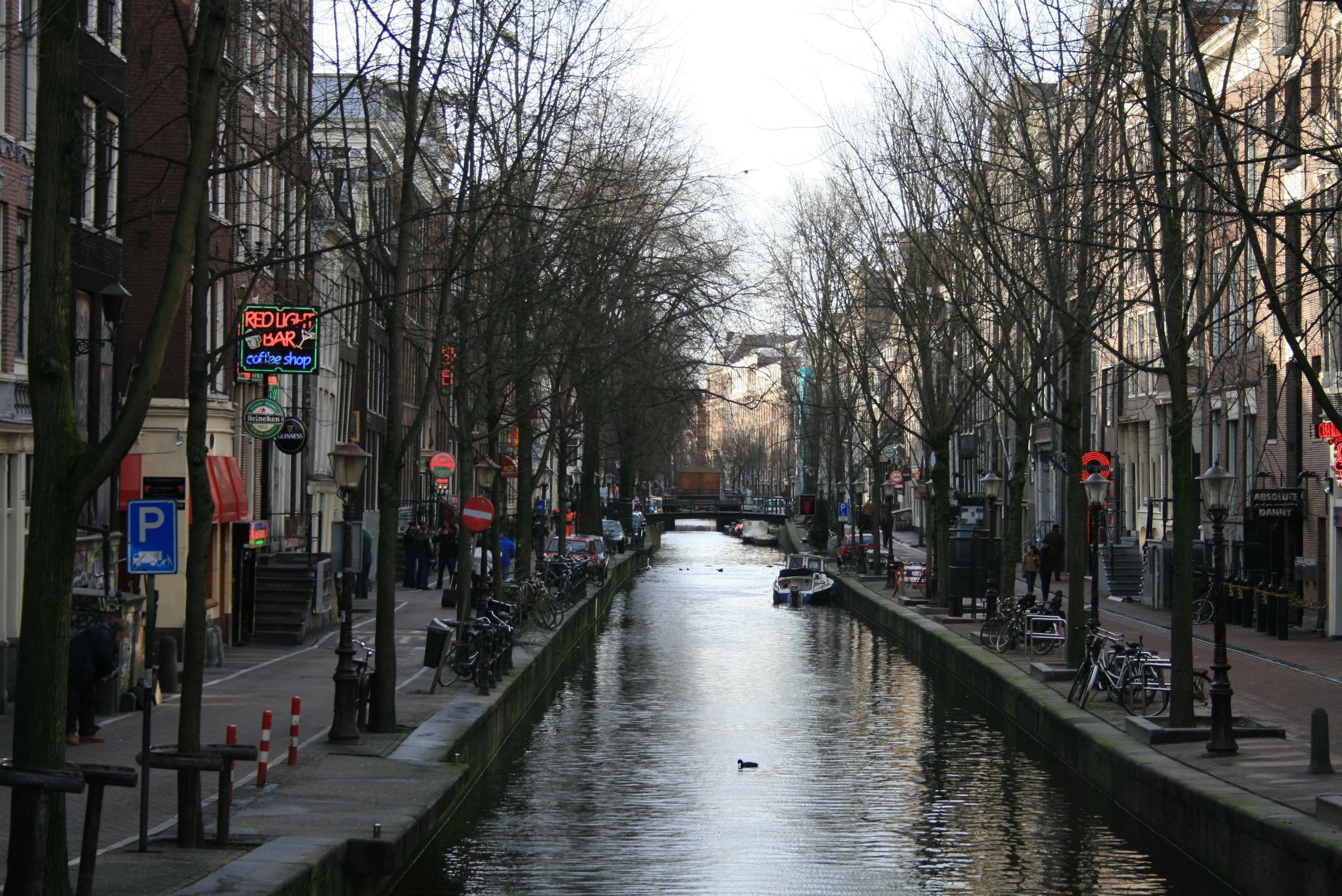
Amsterdam by Li Yew.
Culture shock hits in all kinds of places abroad — and one of the most common is the restroom. Bringing your own tissue is smart in regions where paper isn't standard, but the bigger hurdle is usually just locating a restroom that's clean and open to the public in the first place.
Sanitation norms shift dramatically from country to country. Below is a rundown of how public restrooms — and urinals specifically — differ around the world, plus what to know so a bathroom break doesn't turn into a fine.
How Restroom Norms Differ by Region
Streetside Urinals (Western Europe): In Amsterdam, Paris, and Brussels, you'll spot open-air urinals — pissoirs or Uritrottoirs — placed right on busy streets to cut down on public urination. Don't expect much privacy; these are built for speed, not seclusion.
Squat-Style Toilets (Asia, Africa, the Middle East): Across much of the non-Western world, the standard is a floor-level squat toilet. Rather than toilet paper, most rely on a hose, bucket, or bidet sprayer for cleanup — so it helps to know the setup before you go.
Coin- or Card-Operated Restrooms (Continental Europe): Train stations, malls, and public squares often gate their restrooms behind a turnstile that takes coins or a card, usually somewhere between €0.50 and €1.50.
Water-Based Cleaning (Southern Europe, the Middle East, East Asia): Paper takes a back seat to water in many cultures. Italy and Portugal favor standalone bidets beside the toilet, while Japan is known for washlets — heated seats with built-in water jets.
Staying Legal (and Polite) Abroad
Public urination has real consequences. Laws — and fines — vary but are enforced seriously in major cities:
Vienna: up to €700
Amsterdam: €160 for wildplassen
Paris: fines starting at €68, with some neighborhoods even using urine-repellent paint on walls
United States: typically a misdemeanor or public-nuisance charge, with penalties depending on the city
Watch what you Flush.
In places with older or more delicate plumbing — rural Greece, Thailand, and parts of Latin America among them — paper and wipes usually go in a bin next to the toilet, not down it, to avoid clogging the system.
Carry small bills and coins. Pay-to-enter restrooms rarely make change, so having local currency on hand saves a headache.
Where Sustainable Design Fits In
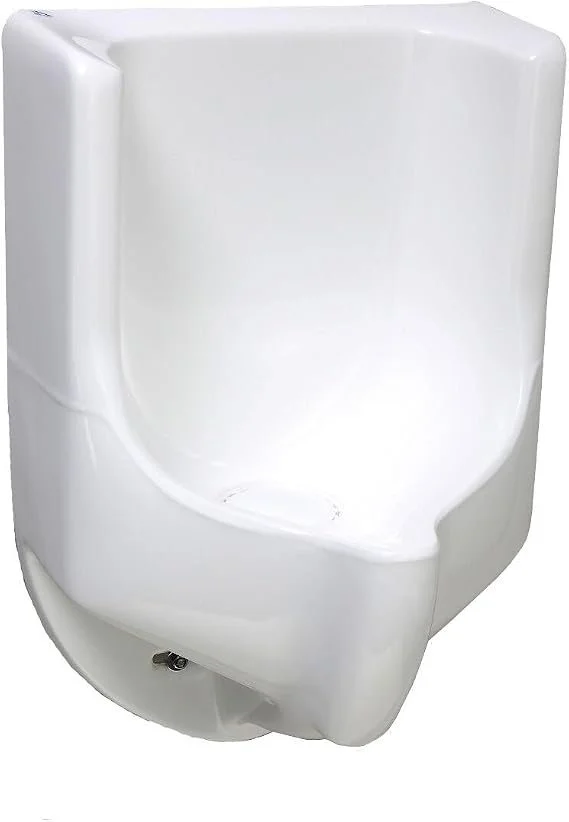
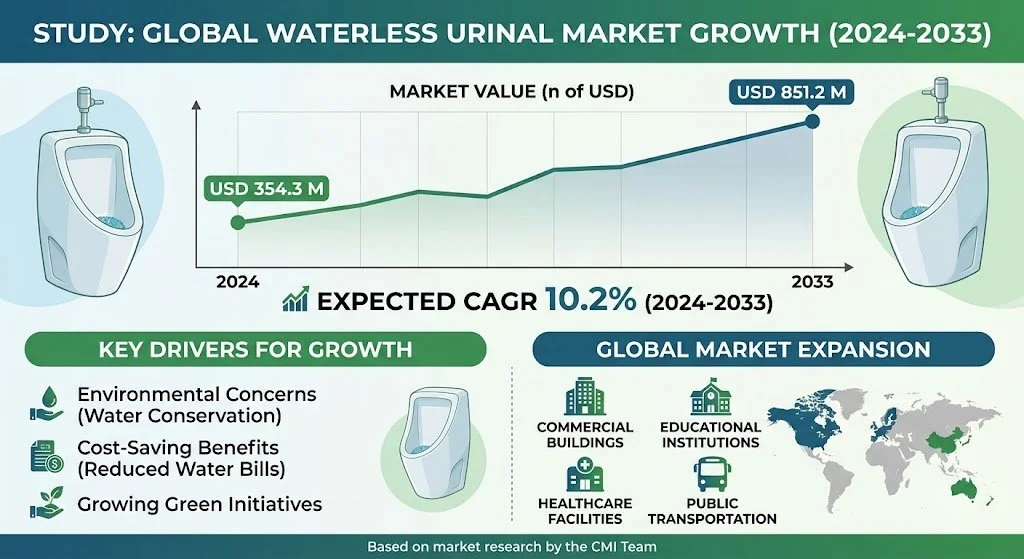
Alongside these regional customs, waterless urinals are becoming more common worldwide — a low-maintenance option that supports better hygiene while conserving millions of gallons of water each year.
Curious how waterless technology could work for your facility? Reach out to a specialist at Waterless Co., Inc.