
Sustainable building design has shifted from an eco-friendly ideal into a financial strategy. Commercial facility managers are constantly seeking high-impact upgrades that reduce operational costs without sacrificing performance. To understand how modern restrooms can be optimized for maximum efficiency, we spoke with Liam Cope, a leading mechanical and electrical engineering expert and the voice behind the industry blog EngineerFix.
In this detailed guide, Cope breaks down the core mechanics, financial returns, and maintenance realities of modern no-flush urinal technology.
How Do Waterless Urinals Work?
Q: For facility managers unfamiliar with no-flush technology, what is the basic engineering behind these fixtures?
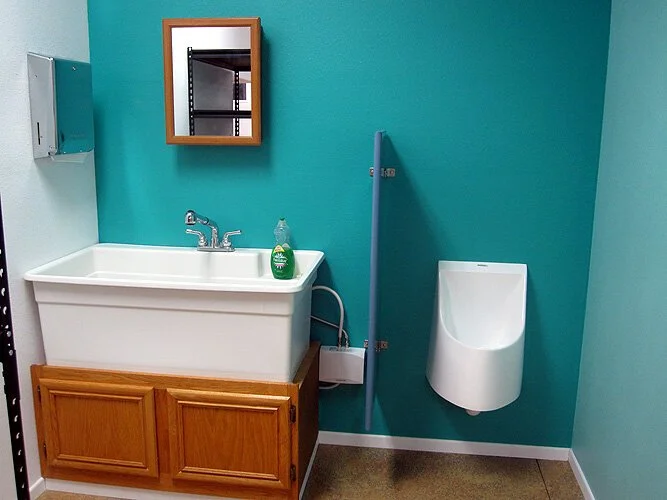
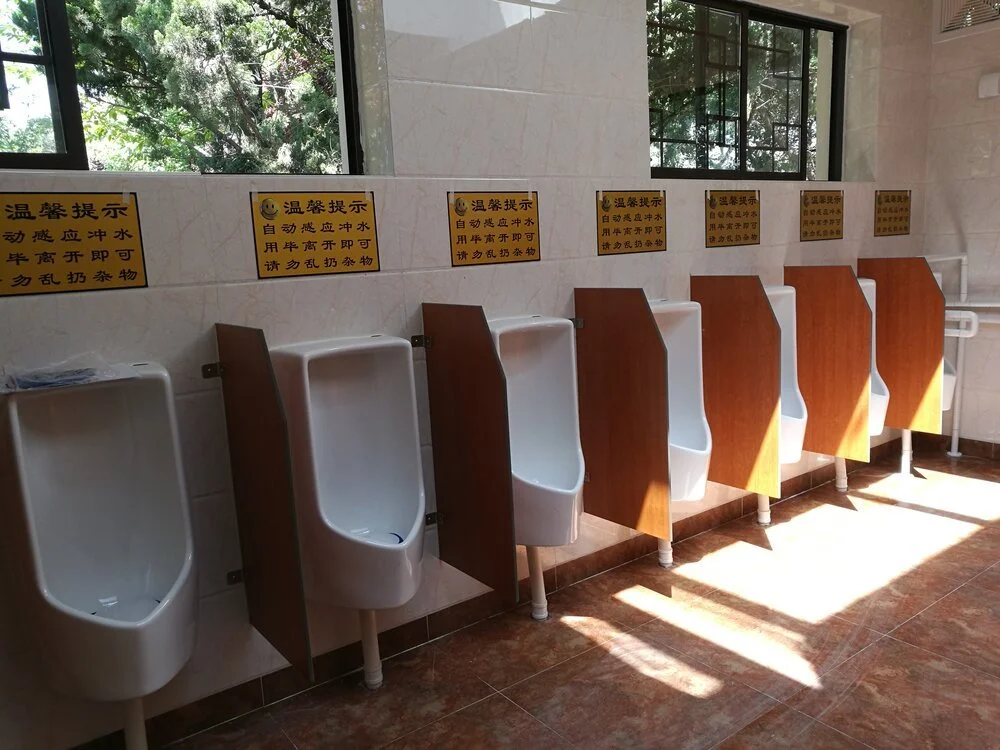
Liam Cope: From a user standpoint, a waterless urinal looks nearly identical to a traditional ceramic fixture. The core difference is that it operates completely independent of a building's water supply. Instead of relying on an automated flush valve to clear the bowl, the fixture uses gravity to direct liquid waste straight into the facility's drainage network.
To keep the restroom hygienic and completely odor-free, the base of the unit houses a specialized trap mechanism or cartridge. This component serves as a critical physical barrier, blocking sewer gases from escaping back into the room.
Maximizing Commercial Water Savings
Q: What makes waterless plumbing fixtures such a powerful solution for corporate water conservation?
Liam Cope: The most immediate benefit is a drastic improvement in commercial water efficiency, which translates directly to lower utility bills. The sheer volume of water saved annually per fixture is substantial:
Upgrading from standard units: Replacing a standard 1.0 gallon-per-flush (gpf) model saves between 20,000 and 50,000 gallons of water annually per unit.
Replacing legacy systems: Upgrading older 3.5-gpf hardware can save upwards of 100,000 gallons every single year for just one fixture.
Q: Can you explain the science behind the liquid sealant cartridge?
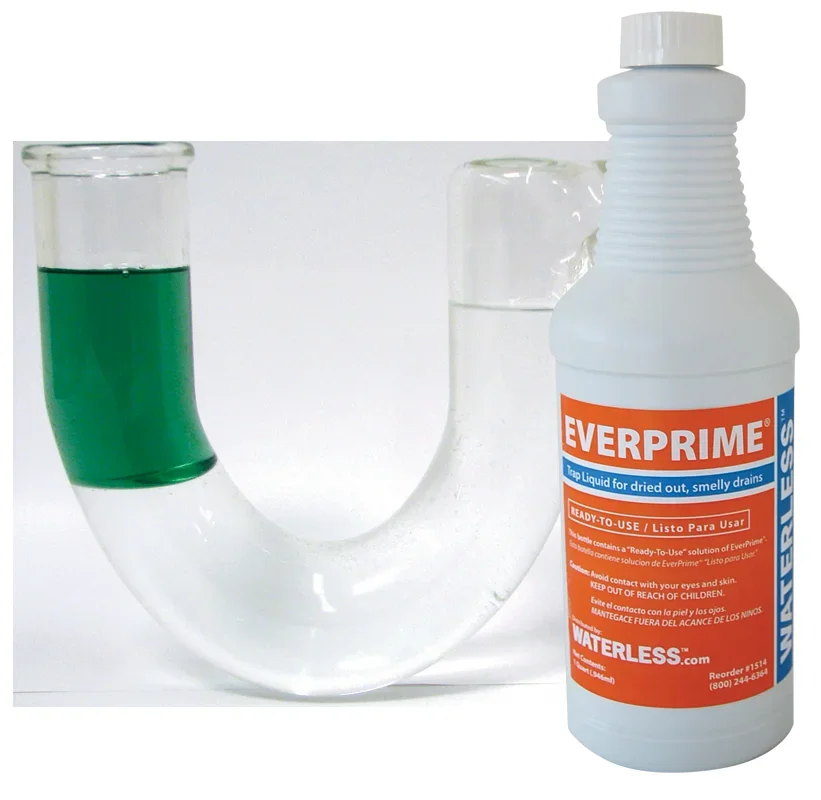
Liam Cope: Most modern systems rely on a replaceable cartridge or an internal trap filled with a lightweight, specialty sealant liquid. Because this fluid has a lower density than urine, the liquid waste sinks right through the sealant layer and flows into the waste line.
Once the waste passes, the sealant immediately reforms its top layer. This floating barrier acts as a reliable one-way check valve, trapping sewer odors beneath it while keeping indoor air clean and fresh.
Analyzing the Financial Return on Investment (ROI)
Q: How quickly can a business expect a return on investment after a commercial restroom retrofit?
Liam Cope: The financial returns are highly impressive, even when you factor in the ongoing operational costs of replacing cartridges and sealant fluids.
Depending on local commercial water rates, a single waterless unit can shave anywhere from a few hundred dollars to $2,000 off your utility bills annually. They also eliminate "phantom flushing"—a common defect in automated sensor valves that wastes thousands of gallons silently. In high-traffic environments, the utility savings often allow the hardware to pay for itself within a matter of months.
Best Practices for Waterless Urinal Maintenance
Q: What is the single most important rule for facility managers maintaining these systems?
Liam Cope: Routine cartridge replacement is vital. For a typical commercial property, the trap mechanism needs to be swapped out every 10,000 to 15,000 uses, which averages out to about four times a year depending on foot traffic. The liquid sealant requires more frequent top-offs.
Fortunately, this is a highly straightforward task. Janitorial staff or facility engineers can easily manage the swap using simple, specialized tools provided by the manufacturer.
Q: Are there specific cleaning protocols custodians must follow to prevent odors?
Liam Cope: Absolutely. Using incorrect cleaning chemicals is the primary reason facilities experience odor issues. Custodial teams must never dump large buckets of water down the fixture or use harsh, highly alkaline cleaners. Doing so strips away or dissolves the protective chemical barrier, allowing sewer gas to leak out.
Instead, janitors should use a pH-neutral or slightly acidic cleaner specifically formulated for waterless plumbing. The best practice is simple:
1. Spray the interior bowl with a targeted, eco-friendly cleaner.
2. Allow it to sit for a few minutes to lift surface grime.
3. Wipe down the fixture with a clean microfiber cloth.
Installation and Plumbing Guidelines
Q: Can an in-house facility maintenance team handle the installation, or is a licensed plumber required?
Liam Cope: In-house facility engineers can absolutely handle the installation, provided they strictly adhere to local plumbing codes.
During a commercial restroom retrofit, two factors are non-negotiable: proper pipe slope for gravity drainage and correct line venting. Accurate venting is essential to protect the cartridge seal and ensure smooth flow. If your team has any doubts about the pitch of the existing drain lines or venting requirements, it is well worth hiring a licensed commercial plumber to guarantee a flawless setup.