The Urinal Showdown Nobody Saw Coming

The final bell rings, kids sprint toward summer, and a different crew steps into the spotlight: school maintenance teams, gearing up for their busiest stretch of the year.

For a few weeks, the quiet hallways trade the sound of chatter and chairs for hammers, drills, and the low hum of renovation season. And in the break room? One topic keeps stealing the spotlight:

The Topic that Steals the Spotlight

The final bell rings, kids sprint toward summer, and a different crew steps into the spotlight: school maintenance teams, gearing up for their busiest stretch of the year.

For a few weeks, the quiet hallways trade the sound of chatter and chairs for hammers, drills, and the low hum of renovation season. And in the break room? One topic keeps stealing the spotlight:

The Technology Showstoppers

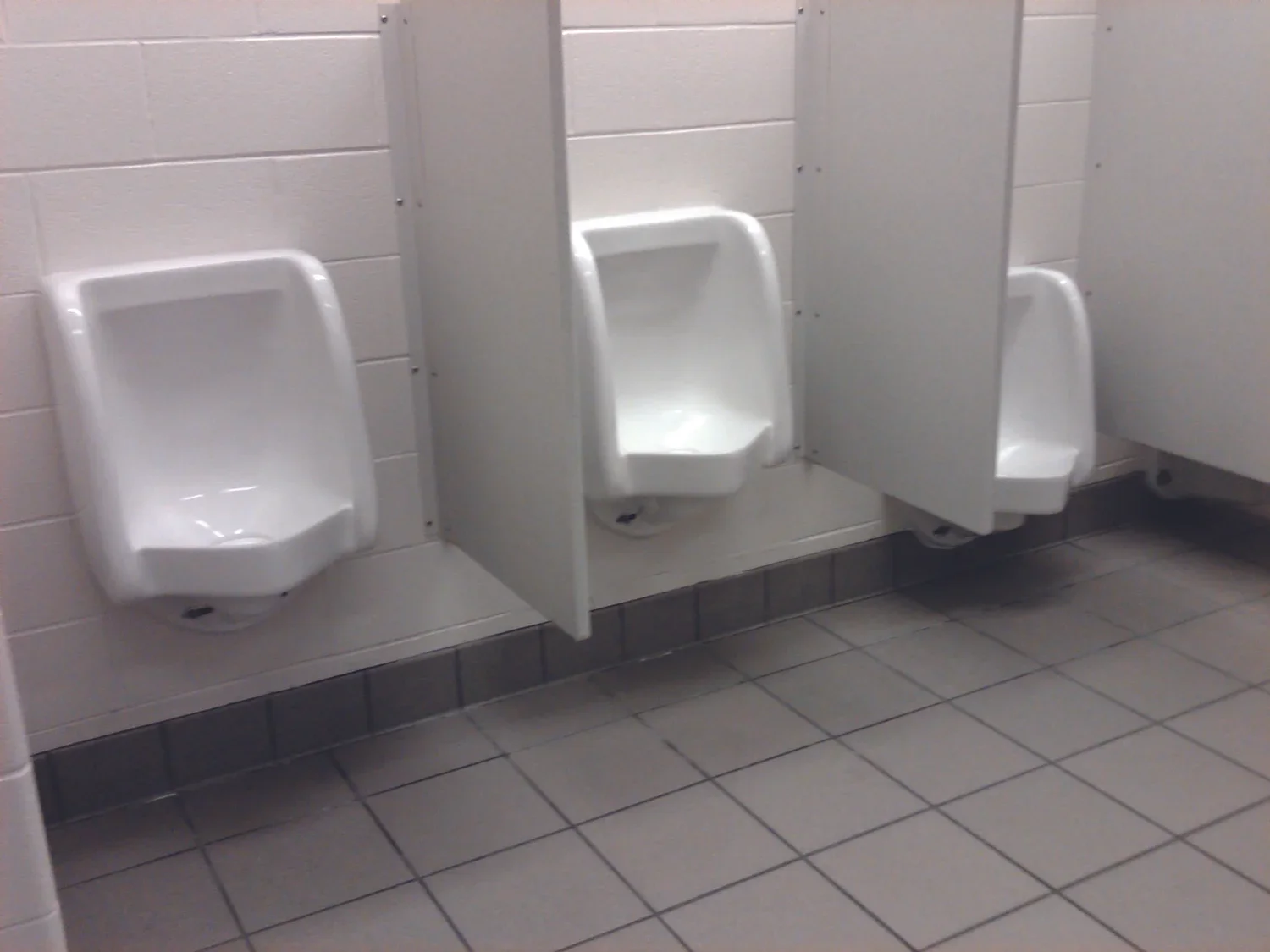
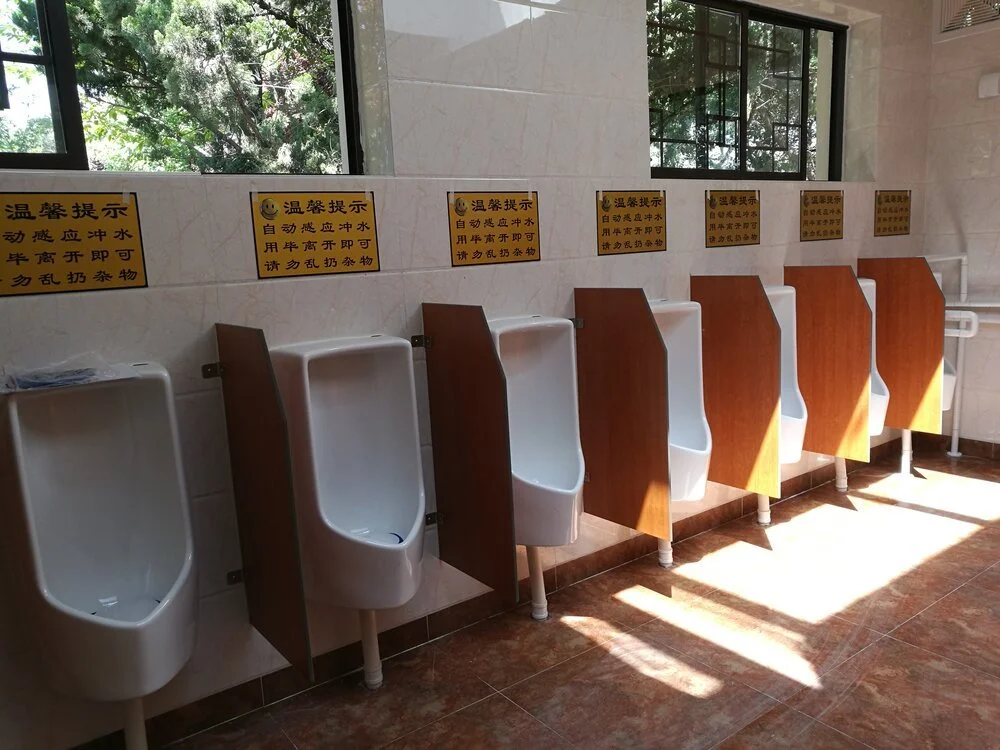
🚹 Waterless urinals are the real technological showstoppers — each one capable of saving up to 35,000 gallons of water annually. That's enough to fill two standard-sized swimming pools. 🏊‍♂️🏊‍♂️

And the perks don't stop at water savings. These fixtures also mean fewer valve repairs, less vandalism, and — here's the part everyone in the break room cares about — serious savings. 💰

Schools that make the switch can expect to save somewhere in the range of $10,000 to $15,000 annually in water-related expenses. That's real budget that could go toward classrooms, programs, or anything else on a school's wish list.

So, while the playgrounds sit empty under the summer sun, here's hoping maintenance crews finally pull the trigger and decide to #gowaterless.

And when they do? Let's give credit where it's due. That's a team taking a real step toward protecting the planet — and saving their school some serious money along the way. 🎆💵

Mastering Commercial Water Management: A Strategic Guide for Facilities

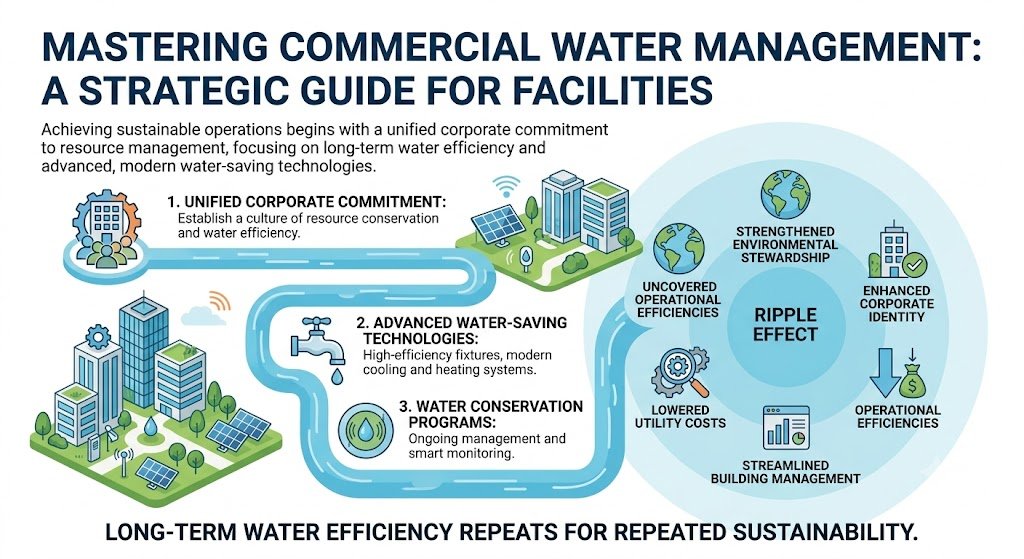
Achieving sustainable operations begins with a unified corporate commitment to resource management. For businesses and commercial facility managers, true sustainability requires shifting focus toward long-term water efficiency. Unlike temporary reductions, true efficiency is realized by integrating advanced, modern water-saving technologies into daily operations.

Beyond lowering utility costs, establishing a culture of water efficiency and conservation program ripples through an entire organization. It strengthens environmental stewardship, enhances corporate identity, and frequently uncovers hidden operational efficiencies that streamline overall building management.

The Foundation: Conducting a Facility Water Audit

You cannot manage what you do not measure. Developing a successful commercial water management plan requires a comprehensive building water audit. This process evaluates exactly how and where water is consumed throughout your property to pinpoint areas of waste and opportunity.

While smaller properties might attempt an initial assessment internally, larger or more complex facilities benefit significantly from hiring professional energy and water auditors.

Key Phases of a Commercial Water Audit:

  • Scope Definition: Explicitly mapping out which zones of the property will be analyzed (e.g., HVAC systems, restrooms, landscaped areas) and which will be excluded.

  • Data Aggregation: Gathering historical consumption records. Analysts typically require a minimum of 24 months of water utility bills to establish an accurate baseline that accounts for seasonal fluctuations.

  • Trend Analysis: Evaluating utility data to uncover usage patterns. Facilities utilizing localized submeters can isolate consumption data by specific departments or equipment types.

  • Opportunity Identification: Identifying specific operational changes or equipment retrofits that offer the highest return on investment (ROI).

  • Action Plan Creation: Formulating a structured water management policy to systematically implement the audit’s findings.

Important Note: A water audit is not a one-time event. Properties should repeat this assessment every two to three years. Critical mechanical infrastructure—such as cooling towers and commercial boilers—can degrade over time. A sudden, unexplained spike in their water consumption is often an early warning sign of impending mechanical failure.

Organizing Action Items: The Four-Bucket Strategy

A comprehensive audit usually uncovers dozens of ways to reduce consumption. To prevent project paralysis, facility managers can categorize these tasks into a practical, four-tiered priority framework:

1. Immediate Mandates

High-priority emergencies requiring instant intervention.

Repairing a major, hidden plumbing leak that is actively driving up utility costs.

2. Short-Term Gains

Low-cost, "low-hanging fruit" retrofits yielding fast returns.

Installing aerators or addressing minor maintenance tasks within six months of the audit.

3. Capital Improvements

Mid-to-high-cost upgrades aligned with scheduled renovations.

Upgrading to low-flow or waterless restroom fixtures during a planned facility remodel.

4. Long-Term Infrastructure

Major capital expenditures managed via lifecycle planning.

Replacing aging roof chillers every 7–10 years to prevent emergency breakdowns and costly expedited orders.

High-Impact Water-Saving Technologies

Once your action plan is structured, the next step is deploying modern solutions engineered to minimize resource waste. Consider integrating the following innovations:

Modern Restroom Fixtures

Restrooms represent the highest percentage of indoor water use in standard commercial buildings. Upgrading to high-efficiency fixtures is critical:

  • Ultra-Low-Flush Toilets: Modern commercial toilets use roughly 1.3 gallons per flush (GPF), performing well below the federal maximum mandate of 1.6 GPF.

  • Waterless Urinals: An increasing number of jurisdictions are mirroring strict conservation laws like Arizona's, mandates that require or heavily incentivize no-water urinals in new construction and retrofits to drastically lower utility and installation expenses.

  • Automated Sensor Faucets: Reliable touchless sensors eliminate user negligence by ensuring water flows only when actively needed.

Greywater Reclamation Systems

Commercial properties are moving away from the traditional, linear model of intake and drainage. Greywater systems capture non-potable, non-toxic discharge—such as water from handwashing sinks, drinking fountains, and gym showers—treat it on-site, and repurpose it for landscape irrigation or toilet flushing. As technology costs decline, these recycling systems offer increasingly attractive payback periods.

Advanced Infrastructure Monitoring

  • Comprehensive Submetering: Installing submeters across different building zones allows management to track localized usage spikes and rapidly isolate plumbing issues before they escalate.

  • Intelligent Leak Detection Platforms: These automated networks utilize digital sensors and smart monitoring software tied directly to automatic shut-off valves, alerting facility teams in real time the moment an anomaly occurs.

  • Smart Irrigation Controllers: Outside the building, smart controllers leverage live weather feeds and soil moisture data to eliminate wasteful overwatering during rain events.

The Long-Term Return on Investment

Implementing a data-driven commercial water management plan delivers advantages that extend far beyond lower utility bills. Because moving and heating water requires substantial electricity, reducing your facility's water footprint directly drives down energy consumption.

Furthermore, proactively adopting sustainable building practices strengthens your brand reputation. Modern consumers, clients, and stakeholders favor organizations that demonstrate verifiable environmental responsibility, making water efficiency a powerful competitive advantage in today's market.


Klaus Reichardt is CEO and founder of Waterless Co, Inc., a pioneer in advancing water efficiency. Reichardt founded the company in 1991 with the goal of establishing a new market segment in the plumbing fixture industry with water efficiency in mind. Reichardt is a frequent writer and presenter. He can be reached at klaus@waterless.com

Waterless Urinal Maintenance Made Simple: Keep Performance High in Just Minutes

waterless urinals is, "How much maintenance do they require?"

The answer often surprises them.

Waterless urinals from Waterless Co., Inc are designed to be simple, dependable, and inexpensive to maintain. In fact, routine maintenance typically takes only a few minutes per fixture and requires far less attention than many people expect.

With a straightforward maintenance routine, facilities can enjoy years of odor-free operation while saving money along with thousands of gallons of water annually.

The Secret to Consistent Performance

Our waterless urinals rely on two key maintenance tasks:

  • Refilling the BlueSeal® sealing liquid

  • Replacing the EcoTrap® cartridge when necessary

When performed at the recommended intervals, these simple procedures help maintain proper drainage, prevent odors, and maximize the life of the plumbing system.

BlueSeal® Refills: A 20-Second Maintenance Task

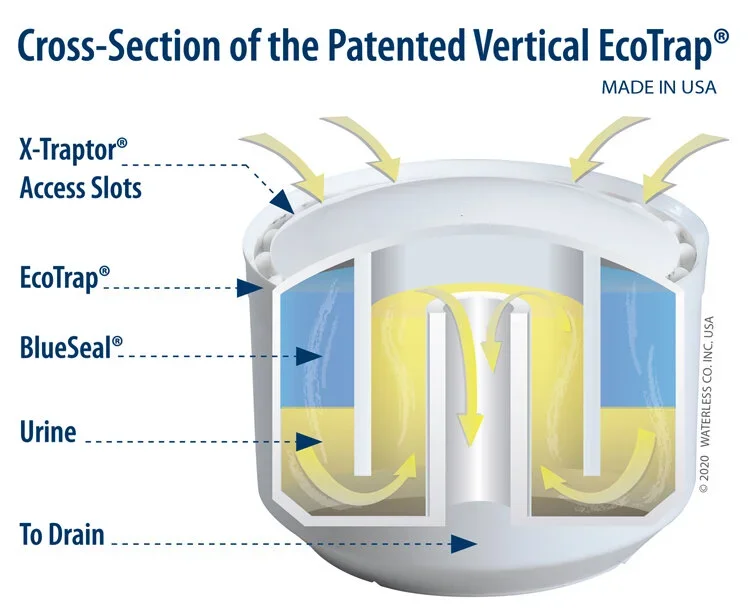
BlueSeal® creates the protective liquid barrier that allows urine to pass into the drain while preventing sewer gases from traveling back into the restroom.

Adding the sealing liquid couldn't be easier.

Simply measure approximately three ounces of BlueSeal® using the PortionAid®, then pour it directly into the EcoTrap® near the back of the urinal. The entire process takes about 20 seconds.

Contrary to a common misconception, BlueSeal® does not need to be added every day. Instead, every few weeks to months, depending on restroom traffic.

Typical refill intervals include:

  • 1–75 users per day: About once per month

  • 76–150 users: Twice per month

  • 151–225 users: Three times per month

  • 226–300 users: Approximately once per week

Following these guidelines helps maintain an effective seal while minimizing maintenance costs.

Proper Cleaning Is Equally Important

Cleaning waterless urinals is much like cleaning conventional urinals—with one crucial difference.

Avoid using abrasive cleaners or harsh scrubbing compounds.

Instead:

  • Remove any debris from the bowl.

  • Use a non-abrasive cleaner and a soft sponge or cloth.

  • Wipe all interior and exterior surfaces clean, paying special attention to the lower front of the fixture.

  • Dry the surfaces with a soft cloth, primarily to remove chemical residue.

Facilities using our Nviro-Clean™ can simplify the process even further by spraying the cleaner on the urinal surface and allowing it to work without scrubbing. The cleaner should be applied once or twice daily, depending on restroom traffic.

When Should the EcoTrap® Be Replaced?

The EcoTrap® cartridge does not require frequent replacement.

Instead, replace it only when needed—typically if urine begins draining slowly or pooling in the fixture.

Replacement frequency depends on usage:

  • 1–30 users per day: About once per year

  • 31–60 users: Twice per year

  • 61–90 users: Three times per year

  • 91–120 users: Four times per year

Even cartridge replacement is straightforward, typically taking only three to four minutes.

The process includes removing the existing cartridge with the included X-Traptor® tool, flushing the drain with approximately five gallons of hot water to remove accumulated sediment, installing a new EcoTrap®, and adding three ounces of BlueSeal®.

Why Maintenance Matters

Routine maintenance provides benefits far beyond odor control.

Properly maintained waterless urinals can help:

  • Prevent sewer gas odors

  • Maintain fast drainage

  • Extend plumbing system performance

  • Reduce service calls

  • Lower operating costs

  • Maximize long-term water savings

Most importantly, consistent maintenance helps ensure occupants experience a clean, fresh restroom, something every facility manager values.

A Small Investment That Delivers Big Returns

Many organizations initially assume waterless urinals require specialized or time-consuming maintenance.

The reality is quite the opposite.

With BlueSeal® refills taking about 20 seconds and EcoTrap® replacement requiring only a few minutes a few times per year, maintenance is remarkably simple. When combined with significant water savings, reduced utility costs, and dependable odor control, waterless urinals continue to be one of the easiest sustainability upgrades a facility can make.

By following a consistent maintenance schedule, facility managers can keep their waterless urinals operating efficiently for years while enjoying the environmental and financial benefits that made them an attractive investment in the first place.

Waterless Urinal Installation Guide for Retrofits and New Construction

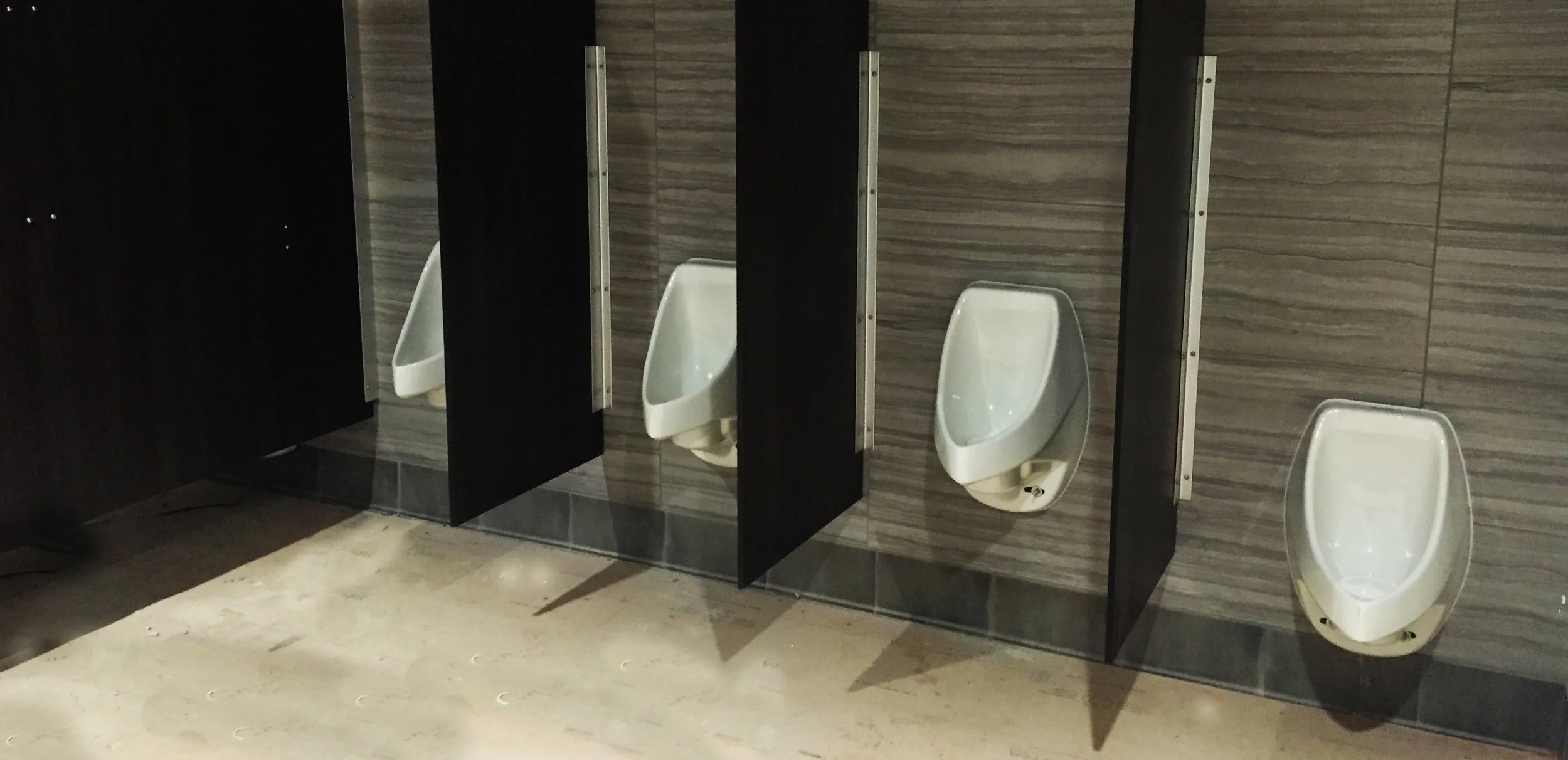
Waterless Urinals at Mercedes Stadium in Atlanta

Waterless urinals can reduce restroom water use, simplify fixture maintenance, and support sustainability goals, but successful performance starts with proper installation. Whether the project is a new commercial restroom or a retrofit of existing flushed fixtures, the key planning steps are the same:

·       Confirm code requirements

·       Verify the rough-in height

·       Check drain slope and materials

·       Follow the manufacturer’s installation instructions.

This guide explains the main installation considerations for facility managers, contractors, and building owners, including accessibility height requirements, expected installation timeframes, rough-in calculations, and common retrofit issues that can affect cost and scheduling. NOTE: Many of the steps also apply to conventional, water-using urinals.

Code, Accessibility, and Manufacturer Requirements

Before any fixture is selected or mounted, confirm the applicable plumbing and accessibility requirements for the project location. In the United States, accessible urinals covered by the ADA must be stall-type or wall-hung fixtures with the rim no more than 17 inches above the finished floor.

Standard non-accessible commercial installations are commonly planned around a 24-inch rim height, but the final requirement should be verified against local code, project specifications, and the fixture manufacturer’s documentation.

·        Standard commercial installations: Many non-ADA installations are designed for a rim height of about 24 inches (610 mm) above the finished floor, subject to local code and manufacturer specifications.

·        ADA-compliant installations: Accessible urinals must have a rim height of 17 inches (430 mm) maximum above the finished floor or ground.

Important note: ADA requirements apply in the United States. Projects outside the U.S. should follow the applicable national, regional, or local accessibility and plumbing requirements. In all locations, installation should be performed or reviewed by a qualified plumbing professional.

How Long Does Installation Take?

Installation time depends on whether the project is a new build, a simple fixture replacement, or a retrofit that requires changes behind the wall. In many commercial retrofits, the existing wall flange and drain connection can be reused, which can shorten the installation. However, if the existing rough-in height does not support the required rim height, the drain connection may need to be lowered before the new fixture can be mounted.

The following timeframes are general planning estimates. Actual installation time will vary based on wall construction, drain materials, fixture model, site conditions, and whether water supply lines from the old, flushed urinal must be capped or concealed.

Estimated Installation Timeframes

New Construction (With ideal rough-in height)

15 – 25 minutes

Simple Retrofit (Direct swap-out on existing lines)

45 – 60 minutes

Complex Retrofit (Requiring lowered rough-in lines)

90 – 120 minutes

Note: These estimates are for planning purposes only. Always confirm installation requirements with the fixture manufacturer and the plumbing professional responsible for the work.

How to Calculate Rough-In Height

The rough-in calculation helps determine whether a new waterless urinal can be installed as a direct replacement or whether the drain line must be adjusted. The goal is to compare the projected rim height of the new fixture with the required target height.

The Basic Formula

Use the following measurements:

·        A: Existing rough-in height, measured from the finished floor to the center of the drain line or to the manufacturer-specified mounting reference point.

·        B: Fixture dimension from the urinal outlet to the front rim or lip, as shown on the specification sheet for the selected waterless urinal.

Projected rim height = A + B. If the projected rim height is higher than the required target height, lower the rough-in by the difference.

1. Standard (Non-ADA) Examples

Target Lip-to-Floor Height: 24 inches

  • Example 1 (Direct Swap): Your existing rough-in (A) is 15" and your new fixture dimension (B) is 9".

Result: A perfect match. Proceed with a straightforward, simple exchange.

  • Example 2 (Modification Needed): Your existing rough-in (A) is 18" and your new fixture dimension (B) is 9".

Result: Your lip height would sit too high at 27". You must lower the rough-in line by 3" to hit the required 24" mark.

2. Accessible (ADA) Examples

Target Lip-to-Floor Height: 17 inches

  • Example 1 (Direct Swap): Your existing rough-in (A) is 8" and your new fixture dimension (B) is 9".

Result: Ideal placement. No wall modifications are required.

  • Example 2 (Modification Needed): Your existing rough-in (A) is 12" and your new fixture dimension (B) is 9".

Result: The lip would sit too high at 21". You must lower the rough-in plumbing by 4" to achieve the mandatory 17" ADA height.

These guidelines are designed to be followed by professional installers. However, further assistance is available by contacting our office.

Commercial Restroom Efficiency: The True ROI of Waterless Urinals

Sustainable building design has shifted from an eco-friendly ideal into a financial strategy. Commercial facility managers are constantly seeking high-impact upgrades that reduce operational costs without sacrificing performance. To understand how modern restrooms can be optimized for maximum efficiency, we spoke with Liam Cope, a leading mechanical and electrical engineering expert and the voice behind the industry blog EngineerFix.

In this detailed guide, Cope breaks down the core mechanics, financial returns, and maintenance realities of modern no-flush urinal technology.

How Do Waterless Urinals Work?

Q: For facility managers unfamiliar with no-flush technology, what is the basic engineering behind these fixtures?

Liam Cope: From a user standpoint, a waterless urinal looks nearly identical to a traditional ceramic fixture. The core difference is that it operates completely independent of a building's water supply. Instead of relying on an automated flush valve to clear the bowl, the fixture uses gravity to direct liquid waste straight into the facility's drainage network.

To keep the restroom hygienic and completely odor-free, the base of the unit houses a specialized trap mechanism or cartridge. This component serves as a critical physical barrier, blocking sewer gases from escaping back into the room.

Maximizing Commercial Water Savings

Q: What makes waterless plumbing fixtures such a powerful solution for corporate water conservation?

Liam Cope: The most immediate benefit is a drastic improvement in commercial water efficiency, which translates directly to lower utility bills. The sheer volume of water saved annually per fixture is substantial:

  • Upgrading from standard units: Replacing a standard 1.0 gallon-per-flush (gpf) model saves between 20,000 and 50,000 gallons of water annually per unit.

  • Replacing legacy systems: Upgrading older 3.5-gpf hardware can save upwards of 100,000 gallons every single year for just one fixture.

Q: Can you explain the science behind the liquid sealant cartridge?

Liam Cope: Most modern systems rely on a replaceable cartridge or an internal trap filled with a lightweight, specialty sealant liquid. Because this fluid has a lower density than urine, the liquid waste sinks right through the sealant layer and flows into the waste line.

Once the waste passes, the sealant immediately reforms its top layer. This floating barrier acts as a reliable one-way check valve, trapping sewer odors beneath it while keeping indoor air clean and fresh.

Analyzing the Financial Return on Investment (ROI)

Q: How quickly can a business expect a return on investment after a commercial restroom retrofit?

Liam Cope: The financial returns are highly impressive, even when you factor in the ongoing operational costs of replacing cartridges and sealant fluids.

Depending on local commercial water rates, a single waterless unit can shave anywhere from a few hundred dollars to $2,000 off your utility bills annually. They also eliminate "phantom flushing"—a common defect in automated sensor valves that wastes thousands of gallons silently. In high-traffic environments, the utility savings often allow the hardware to pay for itself within a matter of months.

Best Practices for Waterless Urinal Maintenance

Q: What is the single most important rule for facility managers maintaining these systems?

Liam Cope: Routine cartridge replacement is vital. For a typical commercial property, the trap mechanism needs to be swapped out every 10,000 to 15,000 uses, which averages out to about four times a year depending on foot traffic. The liquid sealant requires more frequent top-offs.

Fortunately, this is a highly straightforward task. Janitorial staff or facility engineers can easily manage the swap using simple, specialized tools provided by the manufacturer.

Q: Are there specific cleaning protocols custodians must follow to prevent odors?

Liam Cope: Absolutely. Using incorrect cleaning chemicals is the primary reason facilities experience odor issues. Custodial teams must never dump large buckets of water down the fixture or use harsh, highly alkaline cleaners. Doing so strips away or dissolves the protective chemical barrier, allowing sewer gas to leak out.

Instead, janitors should use a pH-neutral or slightly acidic cleaner specifically formulated for waterless plumbing. The best practice is simple:

1.    Spray the interior bowl with a targeted, eco-friendly cleaner.

2.    Allow it to sit for a few minutes to lift surface grime.

3.    Wipe down the fixture with a clean microfiber cloth.

Installation and Plumbing Guidelines

Q: Can an in-house facility maintenance team handle the installation, or is a licensed plumber required?

Liam Cope: In-house facility engineers can absolutely handle the installation, provided they strictly adhere to local plumbing codes.

During a commercial restroom retrofit, two factors are non-negotiable: proper pipe slope for gravity drainage and correct line venting. Accurate venting is essential to protect the cartridge seal and ensure smooth flow. If your team has any doubts about the pitch of the existing drain lines or venting requirements, it is well worth hiring a licensed commercial plumber to guarantee a flawless setup.

How Waterless Co. Inc., Protects the Planet

Environmental responsibility is at the heart of Waterless Co. While our products save water, our team works daily to lower our overall carbon footprint. From our corporate headquarters to our fulfillment warehouse, we actively implement sustainable habits to protect our natural resources.

Here is a look at our daily eco-friendly operations:

Sustainable Supply Chain & Fulfillment

  • Circular packaging: We extend the life of shipping materials by reusing boxes, padding, and pallets. When pallets wear down, we repair them instead of throwing them away.

  • Lean shipping: Our team cuts down on waste by using the minimum amount of packaging needed to safely secure shipments.

Waste Diversion & Corporate Recycling

  • Zero-waste mindset: We sort and recycle all workplace waste, including paper from desks, lunchroom food packaging, aluminum, plastics, and glass.

  • Closed-loop printing: We keep printer toner cartridges out of landfills through dedicated recycling programs and prioritize recycled paper and cardstock for all internal and promotional printing.

Energy Savings & Smart Utilities

  • Natural ventilation: We cut down on electricity by turning off the air conditioning when weather permits, opting instead to cool our facilities using natural airflow from open windows and gates.

  • Upgraded facilities: Our headquarters and warehouse utilize modern, energy-efficient lighting systems to drastically reduce electricity consumption.

  • Conscious water management: We practice what we preach by installing low-flow plumbing fixtures—including our signature water-free urinal—and utilizing targeted drip irrigation for our facility's landscaping.

Eco-Conscious Operations

  • Green maintenance: Our cleaning crews use non-toxic, environmentally safe cleaning products to maintain a healthy office space.

  • Right-sized logistics: We downsized our fleet by swapping out a large delivery van for a smaller, highly fuel-efficient model to curb transport emissions.

We are always looking for innovative ways to improve. Our team members constantly pitch new green initiatives, helping us push boundaries and find new ways to minimize our environmental impact.

Waterless No-Flush™ Urinals: A Smarter, Cleaner Way to Save Water

Upgrade your commercial restroom with Waterless No-Flush™ urinals—an innovative, water-saving solution designed to reduce water use, simplify maintenance, and support cleaner, more sustainable facilities.

Waterless No-Flush™ urinals look just like conventional urinals, making them an easy retrofit for many commercial bathrooms, public restrooms, schools, offices, stadiums, healthcare facilities, and high-traffic buildings. They are compatible with a standard 2” (52 mm) urinal waste line, and if a 1-1/2” (38 mm) waste line is already in place, a reducer bushing can be used.

Because these No-Flush urinals require no flush water supply lines, flush valves, sensors, handles, or moving parts, they help reduce common maintenance issues while delivering reliable, touch-free restroom performance.

How a Waterless No-Flush™ Urinals Works

The smooth, urine-repellent bowl surface helps liquid drain naturally by gravity—no flushing required. A disposable EcoTrap® is placed in the urinal drain outlet, replacing the standard water-filled urinal trap. Inside the EcoTrap, a proprietary, immiscible BlueSeal® liquid floats on top of the urine layer to help block urine odors and sewer gases from entering the restroom.

With only 3 ounces (100 ml) of BlueSeal, each No-Flush™ urinal can last for up to 1,500 uses, replacing approximately 1,000 to 4,500 gallons of potable flush water per fill. That makes waterless urinals a practical choice for facilities looking to conserve water, lower utility costs, and support green building initiatives.

Easy Cleaning and Low-Maintenance Operation

No-Flush™ urinals are cleaned in the same manner as conventional urinals—only faster—and require no special cleaners. BlueSeal replenishment is simple and accurate with the PortionAid, which helps minimize waste. Just fill the PortionAid by squeezing the bottle, then pour the measured amount directly into the EcoTrap holes.

Because there is no flush water involved, drain lines remain free of hard encrustations, helping reduce plumbing problems and maintenance disruptions. The EcoTrap® can also be easily removed with the X-Traptor® tool for quick access when needed.

Eco-Friendly Restroom Technology

For organizations focused on sustainability, water conservation, and operational efficiency, Waterless No-Flush™ urinals offer a smart alternative to traditional flushing urinals. The EcoTrap is recyclable, BlueSeal is biodegradable, and the zero-flush design helps reduce potable water consumption without sacrificing appearance, hygiene, or ease of use.

Contact us today to learn how Waterless No-Flush™ urinals can help your facility save water, reduce maintenance, improve restroom hygiene, and lower operating costs compared with conventional urinal systems.

Why Schools Develop Sewer Gas Odors—and How Maintenance Teams Can Track Down the Source

image found on Prexels

Few building problems generate complaints as quickly as the smell of sewer gas. In schools, these odors can spread through classrooms, hallways, cafeterias, and restrooms, creating an unpleasant environment for students, teachers, and visitors.

Finding the source, however, isn't always straightforward. Large school buildings often contain miles of plumbing, numerous floor drains, crawl spaces, mechanical rooms, and rooftop vent stacks, making odor investigations challenging.

Before scheduling an expensive plumbing service call, maintenance personnel can often eliminate several common causes of sewer gas odors on their own.

A Maintenance Manager's Question

A facilities director from a Midwestern school district recently contacted us with a familiar problem.

"We've been trying to locate persistent sewer gas odors in one of our largest schools. We've inspected the basement, searched the crawl space, and still haven't found the source. Spring Break is coming, and we'd like to solve the problem before students return. Do you have any suggestions?"

While every building is different, this situation illustrates the troubleshooting process many school maintenance departments face.

Start by Identifying the Strongest Odor

Rather than inspecting the entire campus at once, determine exactly where the odor is most noticeable.

Ask questions such as:

  • Does the smell occur only in one restroom?

  • Is it concentrated near a hallway or classroom?

  • Does the odor appear only at certain times of day?

  • Is it stronger on one floor than another?

Narrowing the search area significantly reduces the number of possible causes and helps maintenance staff focus their efforts.

Look for Signs of Structural Movement

If the odor appears in a specific area, inspect the surrounding floor for evidence of settling or cracking.

Concrete slabs can shift over time, placing stress on drain piping beneath the floor. Even slight movement may loosen pipe joints or fittings, creating pathways for sewer gases to escape.

When investigating, maintenance personnel should carefully examine:

  • Basement ceilings beneath the affected area

  • Crawl spaces

  • Floor cracks

  • Pipe connections

  • Drain lines below the slab

Visible damage isn't always obvious, but even minor separations can allow unpleasant odors into occupied spaces.

Examine Drain Connections

Loose plumbing fittings are another frequently overlooked source of sewer gas.

Drain assemblies serving sinks, floor drains, utility rooms, and restrooms should be inspected for loose joints or deteriorated connections. Even when water isn't leaking, escaping sewer gas can produce noticeable odors throughout nearby classrooms and corridors.

Including these inspections as part of routine preventive maintenance can help identify problems before they become major complaints.

Don't Forget the Roof Vent System

Every plumbing system relies on vent stacks that extend through the roof to equalize air pressure and allow wastewater to flow properly.

When these vents become obstructed, sewer gases may seek another path into the building.

Common causes of blocked vent stacks include:

  • Leaves and debris

  • Bird nests

  • Insects

  • Ice damage in colder climates

A quick inspection of rooftop plumbing vents may reveal an obstruction that's contributing to indoor odors.

One of the Most Common Culprits: Dry Drain Traps

If plumbing connections appear sound and vent stacks are clear, consider one of the simplest—and most common—causes of sewer odors: evaporated trap seals.

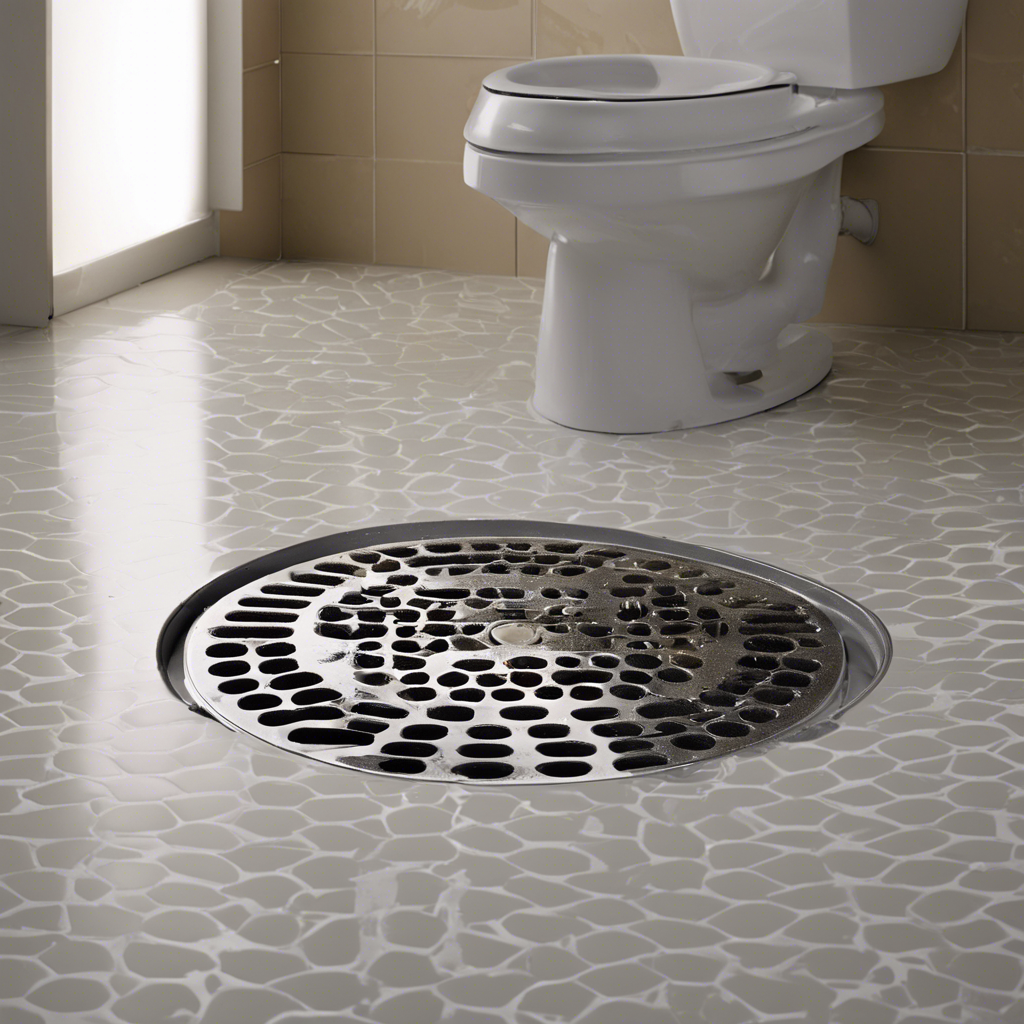
Nearly every sink, floor drain, and similar plumbing fixture contains a P-trap (or J-trap) that holds a small amount of water. That water forms a seal that prevents sewer gases from traveling back into the building.

When a drain goes unused for weeks or months, the water slowly evaporates.

Once the trap dries out, sewer gas can pass directly into occupied areas.

Schools are particularly susceptible because many drains receive little use during:

  • Summer vacation

  • Winter break

  • Spring break

  • Holiday closures

  • Infrequently occupied classrooms

  • Storage rooms

  • Mechanical spaces

Floor drains that are rarely mopped or utility sinks that see little use are often the first places to check.

Restoring the Trap Seal

The simplest solution is often to restore the water barrier.

Begin by slowly pouring approximately one gallon of water into the suspect drain. This refills the trap and may immediately reduce odors.

For drains that remain unused for extended periods, many facility managers also apply a drain trap sealer to slow future evaporation.

Products such as EverPrime create a protective layer over the water in the trap, helping preserve the seal for much longer than water alone. After refilling the trap, adding about three ounces of the product allows maintenance staff to monitor whether the odor subsides over the next several days.

If the smell disappears, the district may have solved the problem without the expense of a plumbing repair.

When to Call a Licensed Plumber

Although many sewer odor problems stem from dry traps or minor maintenance issues, some situations require professional diagnosis.

If odors persist after checking drain traps, plumbing vents, pipe connections, and structural conditions, the next step should be contacting a licensed plumber. Persistent sewer gas may indicate damaged underground piping, failed seals, or other plumbing defects that require specialized equipment to locate and repair.

Preventing Sewer Odors Before They Return

The best approach is prevention. Schools can reduce future odor complaints by incorporating a few simple tasks into their preventive maintenance program:

  • Refill floor drains before and after extended school breaks.

  • Inspect plumbing vents periodically for obstructions.

  • Check drain fittings during annual building inspections.

  • Monitor areas with infrequently used sinks and floor drains.

  • Consider using a drain trap sealer in drains that remain idle for long periods.

These relatively simple maintenance practices can help keep classrooms, restrooms, and common areas odor-free while reducing unnecessary service calls and minimizing disruption to school operations.

Suggested SEO Keywords: sewer gas odors in schools, school plumbing maintenance, sewer smell in school buildings, dry P-trap odor, floor drain odor control, blocked plumbing vent, drain trap sealer, restroom odor prevention, facility maintenance, EverPrime
 

Centuries Old Water Found in Egypt

Image by INDU BIKASH SARKER found on Prexels

It remains striking that after thousands of years, Egypt still depends overwhelmingly on the Nile River for its freshwater. Today, the Nile supplies over 90% of the country’s renewable water resources, making Egypt one of the most Nile-dependent nations on Earth.

While Egypt utilizes underground water, it has historically represented a small share of total consumption. As of the late 2010s, only about 7% of Egypt’s water came from aquifers. While that figure has increased slightly in recent years, groundwater remains a supplemental—not primary—resource. However, Egyptian officials recognize that underground reserves must play a larger role as the population grows and water demand rises.

To map these vital resources, researchers from the University of Delaware were invited to assess Egypt’s groundwater reserves. The goal was to determine how much water lies beneath the surface, how old it is, and how much can be safely pumped for agriculture and human use.

The findings were surprising.

The Discovery of Ancient Egyptian Aquifers

Using advanced isotope-dating techniques, researchers discovered that much of Egypt’s underground water is extremely old—dating back up to 200,000 years.

Scientists originally expected to find "younger" water (50 to 100 years old) replenished recently by rainfall or modern irrigation. Instead, they uncovered a complex mix of ancient, slowly recharged water alongside younger water in specific regions.

The study confirmed that while Egypt's aquifers are still being replenished—especially in the Nile Valley and Delta where irrigation and rainfall seep into the ground—the deep reserves tell a different story. This discovery brings both a blessing and a warning for the region.

The Blessing: Vast Water Reserves

Egypt possesses substantial underground water reserves. These deep aquifers can act as a critical buffer to meet immediate and future needs, particularly during periods of severe drought or strain on the Nile River.

The Warning: The Threat of Over-Pumping

Groundwater must be managed with extreme care. Across the Middle East and parts of the United States, underground aquifers are being pumped far faster than they can naturally refill. Egypt’s deepest aquifers, such as the Nubian Sandstone Aquifer System, contain fossil water. Once depleted, these ancient resources will not replenish on a human timescale.

Shifting from Conservation to Water Efficiency

These findings point to a critical global reality: traditional water management must evolve. As surface-water sources face increasing strain and deep aquifers prove to be finite, slowly recharging resources, nations must find smarter ways to scale.

The ultimate solution lies in shifting from temporary water conservation to permanent water efficiency.

Conservation vs. Efficiency: While conservation focuses on changing behaviors to reduce consumption short-term, efficiency delivers lasting reductions through improved technology, smart design, and stronger management practices.

Implementing modern water-efficient technologies can yield massive savings:

  • Commercial Upgrades: Integrating commercial waterless fixtures can radically lower a building's environmental footprint.

  • Measurable Savings: Installing a single waterless urinal can save more than 25,000 gallons of water per year.

  • Agricultural Innovation: Shifting toward precision drip irrigation prevents modern runoff from wasting precious aquifer yields.

Looking Ahead: Securing Egypt's Water Future

Egypt’s current situation shows that managing water consumption sustainably is an achievable goal. For now, officials have some breathing room; they do not need to rely heavily on deep, non-renewable underground reserves immediately.

However, this advantage should be treated as a strict window of opportunity. By investing in water efficiency today, Egypt can protect its ancient groundwater resources and ensure future generations have a secure supply.

Water efficiency is no longer optional. It is the foundation of sustainable water management for Egypt, the United States, and every nation confronting rising demand and finite supply.

Maximize Your Building's Water Efficiency

Ready to reduce your properties' water consumption and transition to sustainable infrastructure? Contact a Waterless Co. Specialist today to learn how waterless technology can save thousands of gallons annually.

Updated for accuracy as of 2026.

Colorado River Water Crisis: Why Facility Managers and Businesses Should Prepare Now

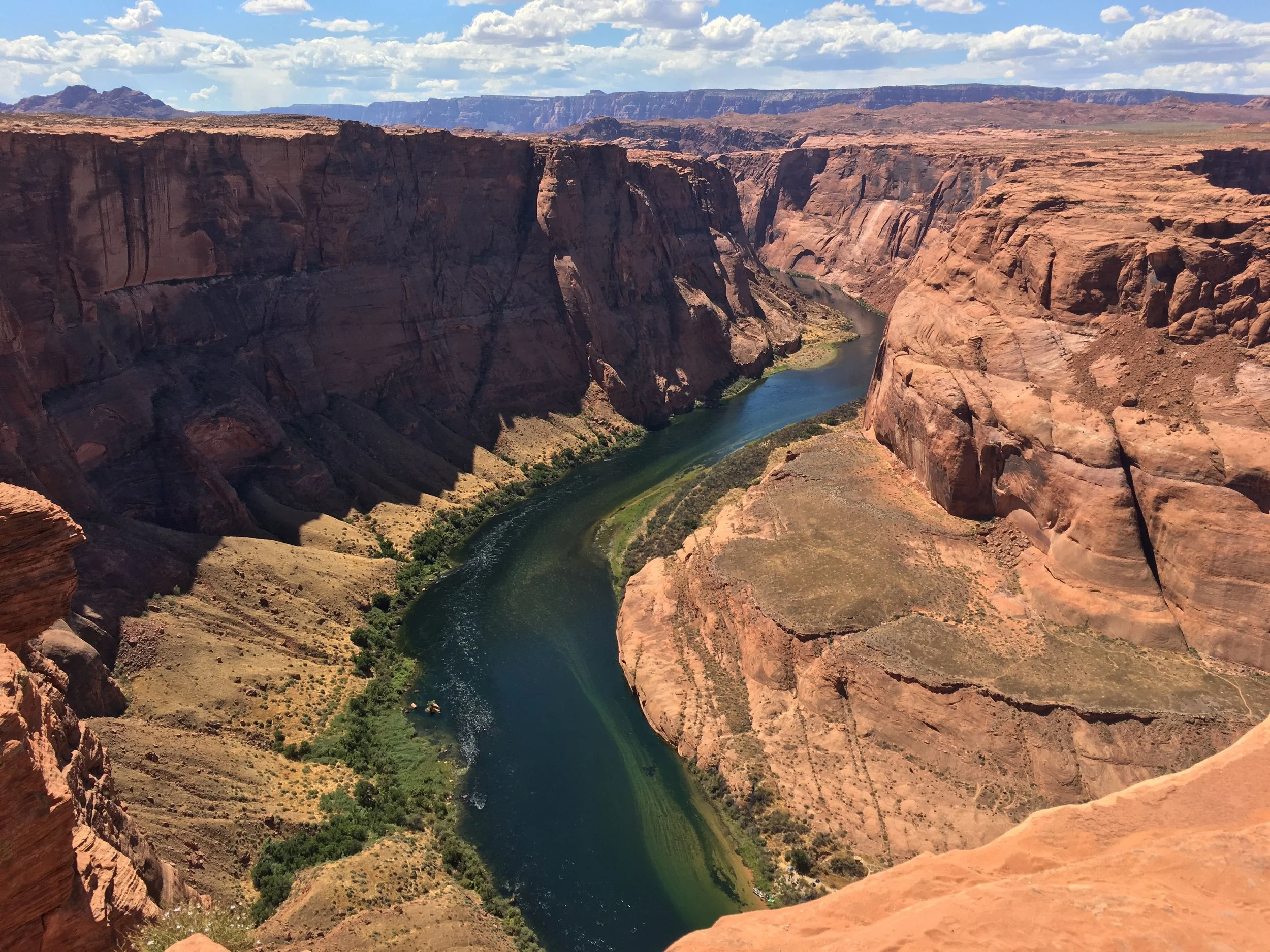
Image by A. Heuvelink found on Prexels

For decades, the Colorado River has been one of the most important water sources in the United States. It supplies drinking water to millions of people, irrigates some of the nation's most productive farmland, and helps generate electricity for communities across the Southwest.

Today, however, that system is under unprecedented stress.

Despite emergency efforts by federal water managers to stabilize the river's largest reservoirs, experts warn the Colorado River Basin remains dangerously close to a tipping point. If current trends continue, businesses could face higher water costs, stricter conservation requirements, reduced hydropower generation, and increasing operational uncertainty.

For facility managers, property owners, manufacturers, and commercial real estate professionals, the message is clear: water risk is becoming a business risk.

Why the Colorado River Matters

The Colorado River supplies water to approximately 40 million people across seven western states and portions of Mexico. It also supports agriculture, manufacturing, tourism, data centers, healthcare facilities, commercial buildings, and numerous industries that depend on reliable water and affordable electricity.

For many years, reservoirs such as Lake Powell and Lake Mead acted as giant savings accounts, storing water during wet years and releasing it during dry periods.

Today, those reserves are shrinking.

Years of prolonged drought, higher temperatures, and increasing demand have reduced the river's ability to replenish itself. Even with emergency releases and operational adjustments, water experts caution that the system remains vulnerable to another dry year.

Emergency Actions Buy Time—But Don't Solve the Problem

Federal officials have taken extraordinary measures to keep reservoir levels from falling even faster.

These actions include transferring water from upstream reservoirs into Lake Powell and adjusting downstream releases to preserve critical elevations. While these efforts may temporarily stabilize conditions, they do not address the long-term imbalance between available water supplies and regional demand.

Unless the basin experiences several unusually wet years—or significant reductions in water consumption—the underlying challenges remain.

The Growing Business Impact

For many organizations, the Colorado River crisis may seem like a regional issue. In reality, its effects can ripple throughout the economy.

Potential impacts include:

  • Rising municipal water rates as utilities invest in new infrastructure and conservation programs.

  • More aggressive water restrictions affecting commercial buildings, campuses, hotels, and industrial facilities.

  • Increased pressure to reduce water consumption as local governments adopt stricter efficiency standards.

  • Higher electricity costs if reduced hydropower generation requires greater reliance on more expensive energy sources.

  • Greater operational risk for businesses with water-intensive processes.

Organizations that depend on predictable utility costs may find budgeting increasingly difficult as water availability becomes less certain.

Facility Managers Will Be on the Front Lines

Facility managers are often responsible for balancing sustainability goals with operational performance and budget constraints. As water supplies tighten, that role becomes even more important.

Many organizations are already evaluating opportunities to reduce potable water consumption through practical efficiency improvements.

Examples include:

  • Installing water-efficient plumbing fixtures.

  • Detecting and repairing hidden leaks.

  • Upgrading cooling towers and irrigation systems.

  • Monitoring water consumption with smart metering technologies.

  • Reusing water where local regulations permit.

  • Replacing conventional urinals with waterless models in appropriate facilities.

  • Educating building occupants about responsible water use.

Many of these projects generate ongoing utility savings while improving environmental performance.

Hydropower Challenges Extend Beyond Water

Declining reservoir levels also affect electricity production.

Hydroelectric facilities at Lake Powell and Hoover Dam depend on sufficient water elevations to generate power efficiently. As reservoir levels decline, electricity output decreases, potentially increasing pressure on regional power grids.

Businesses may ultimately experience higher energy costs or greater exposure to supply disruptions during periods of peak demand.

This makes resource planning increasingly interconnected. Water management and energy management are no longer separate operational issues—they influence one another.

Conservation Is Becoming a Competitive Advantage

Organizations that proactively reduce water consumption and use water more efficiently often realize benefits beyond lower utility bills.

Water-efficient facilities may experience:

  • Lower operating expenses.

  • Improved resilience during drought restrictions.

  • Stronger environmental reporting.

  • Enhanced ESG performance.

  • Greater appeal to investors, tenants, employees, and customers.

  • Reduced exposure to future regulatory changes.

What was once viewed primarily as an environmental initiative is rapidly becoming part of sound business risk management.

Looking Ahead

Most water experts agree that balancing Colorado River water use with available supplies will require substantial reductions in consumption across the basin. While negotiations among the basin states continue, businesses should not wait for policy decisions before taking action.

The organizations best positioned for the future will be those that begin improving water efficiency today rather than reacting to tomorrow's restrictions.

The Colorado River has supported economic growth throughout the American West for generations. Ensuring it can continue to do so will require cooperation among governments, utilities, businesses, and building owners alike.

For facility managers, the lesson is straightforward: every gallon conserved today helps reduce operational risk tomorrow.